What is WEEX OTC and How to Buy DOGE with PLN on WEEX OTC?

By: WEEX|2026-01-02 00:00:00
0
Share
copy

What is WEEX OTC?

WEEX has officially launched our WEEX OTC Quick Buy feature to help make fiat deposits more convenient and accessible. Enjoy more payment options with a secure, seamless.

WEEX OTC platform now supports 200+ trading pairs and multiple mainstream payment methods.

You can use Fiat to purchase cryptocurrencies anytime, anywhere on the WEEX OTC platform, and enjoy Quick Buy in just three steps.

How to Buy DOGE with PLN on WEEX OTC?

Web Version:

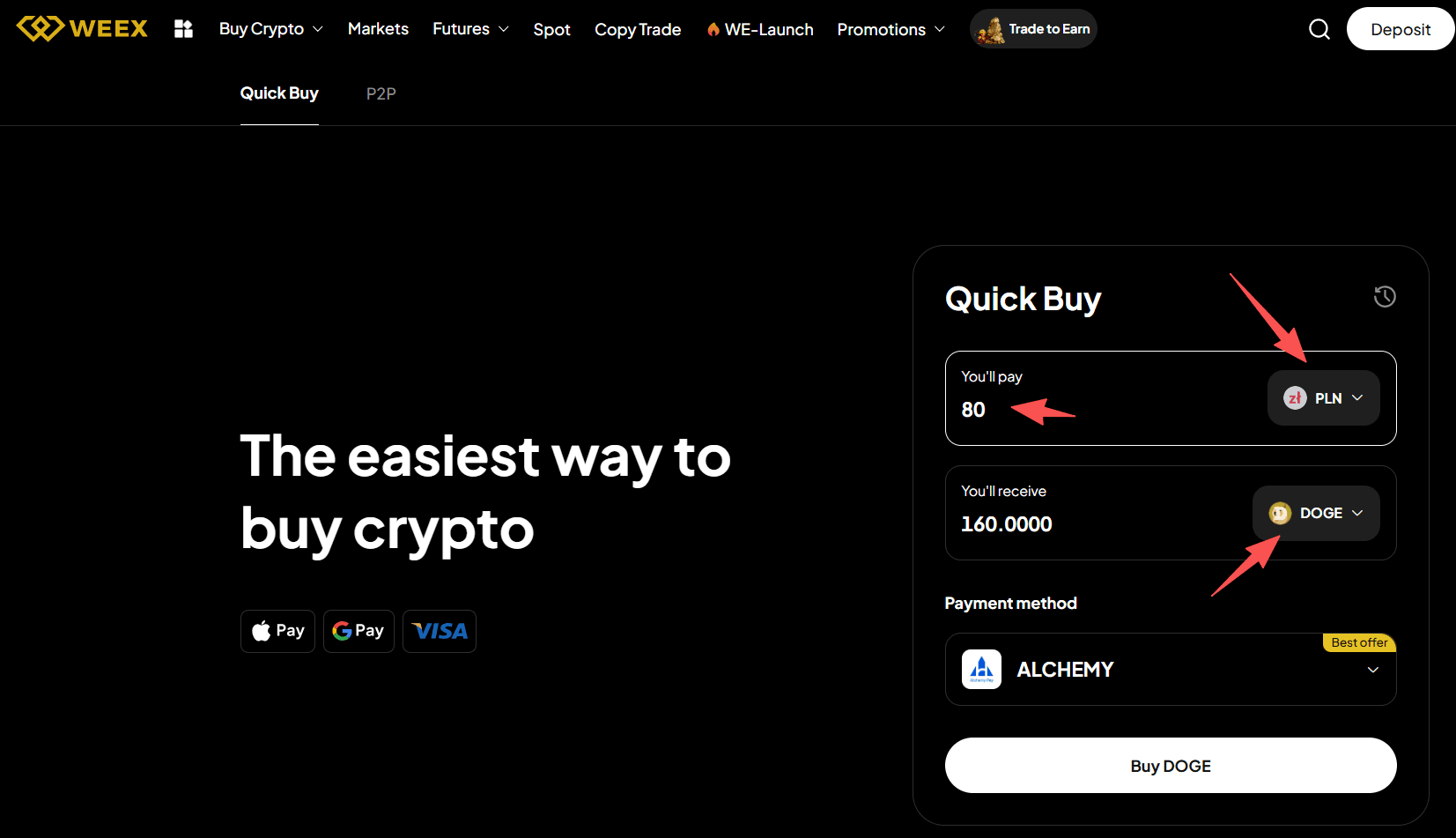
Step 1: On the WEEX OTC platform, you can select the fiat currency [PLN] and select the crypto DOGE. You can input the PLN payment amount, then this will estimate the amount of DOGE you will receive.

What is WEEX OTC and How to Buy DOGE with PLN on WEEX OTC?

Step 2: Choose the the payment method which you want to use, then click the [Confirm].

Step2:How to Buy DOGE with PLN on WEEX OTC?  Web Version

Step 3: After choosing the payment method, click the [Buy DOGE] and place the buy DOGE with PLN order.

Step3:How to Buy DOGE with PLN on WEEX OTC?  Web Version

Step 4: After confirming the order, we will redirect to the payment channel to complete the transaction.You will receive the DOGE in 5 min after your order payment is completed.

Step4:How to Buy DOGE with PLN on WEEX OTC?  Web Version

APP Version:

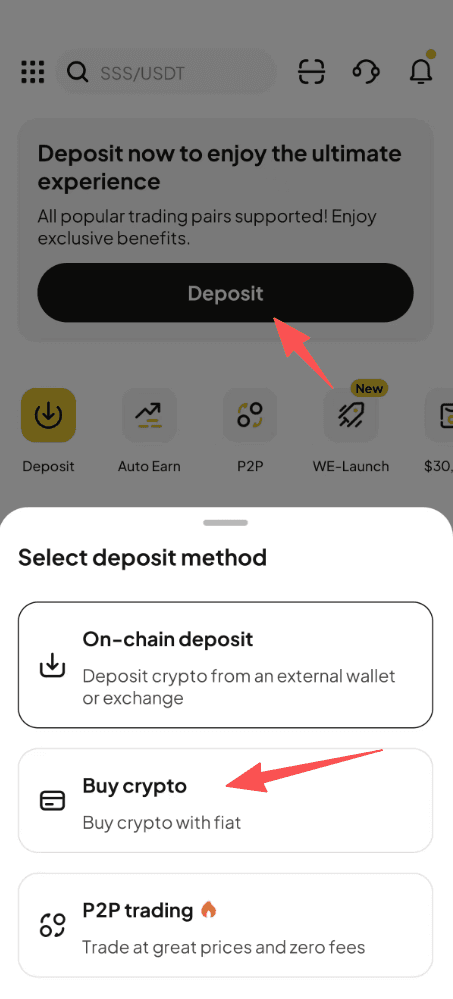
Step 1: On the WEEX APP,click the [Deposit] and select the [Buy crypto], you will enter the OTC platform.

Step1:How to Buy DOGE with PLN on WEEX OTC?  APP Version

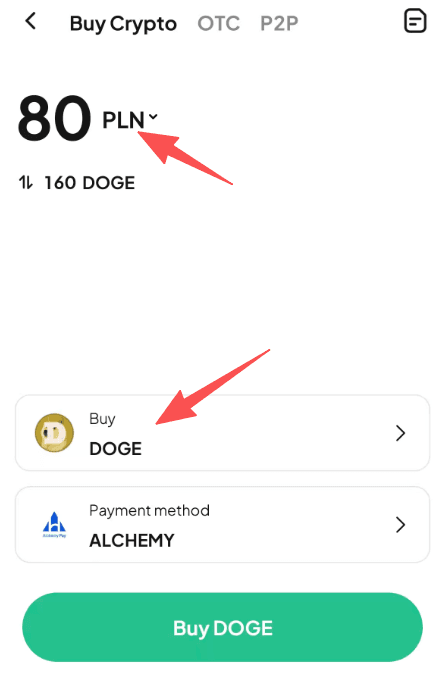
Step 2: Selecting fiat currency [PLN] and crypto DOGE, you can input the PLN payment amount, then this will estimate the amount of DOGE you will receive.
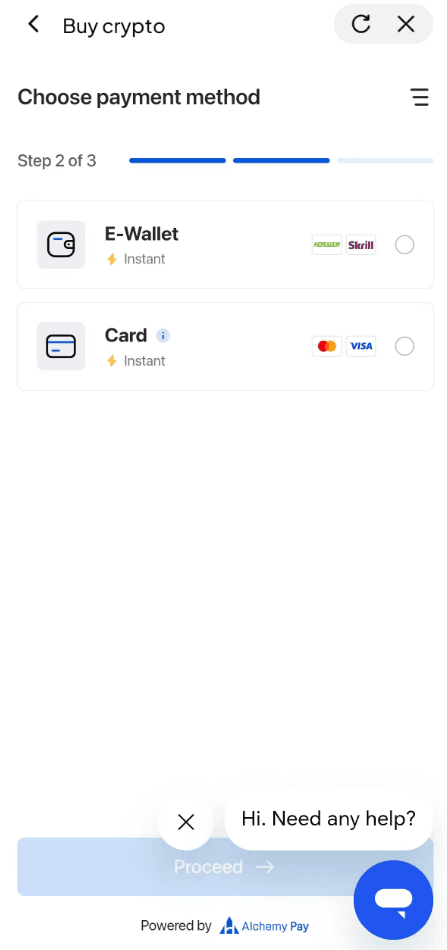
Step2:How to Buy DOGE with PLN on WEEX OTC?  APP Version

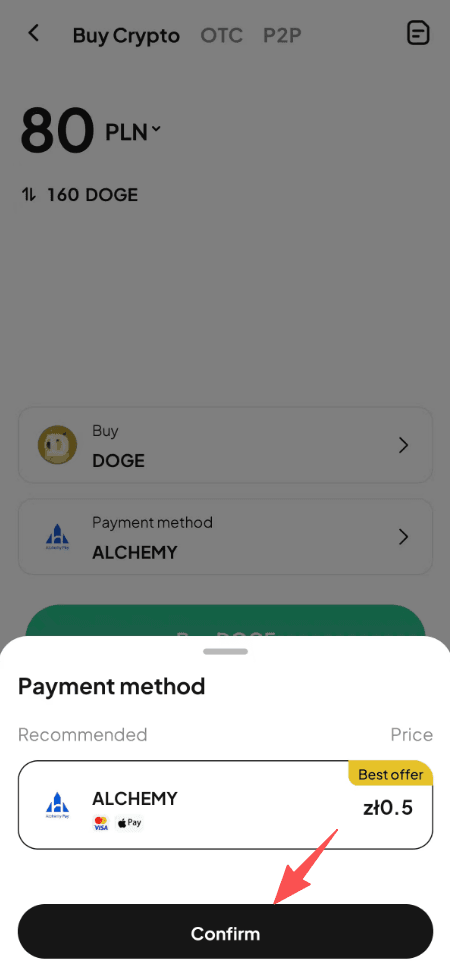
Step 3: Choose the the payment method which you want to use, then click the [Confirm].
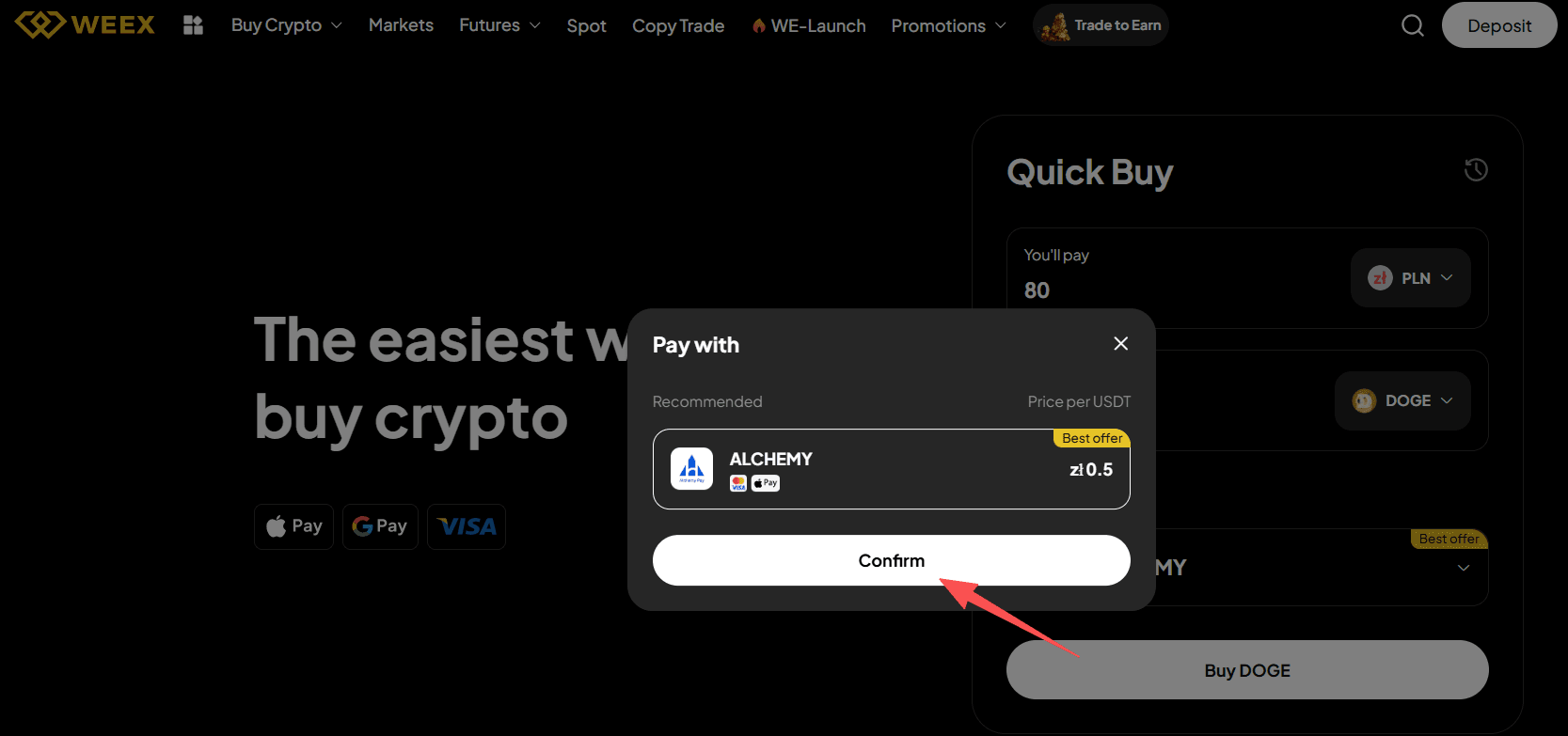
Step3:How to Buy DOGE with PLN on WEEX OTC?  APP Version

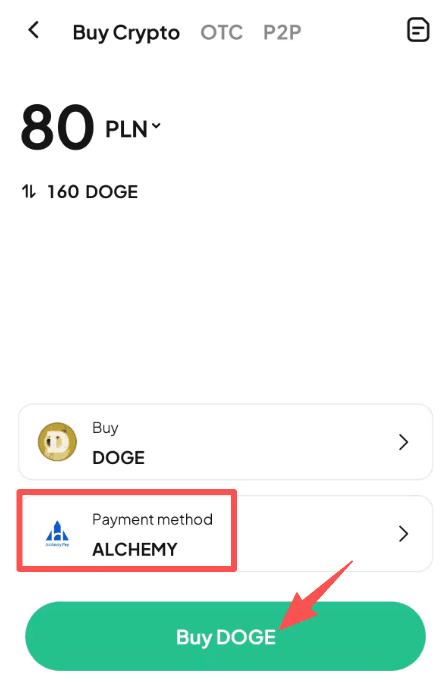
Step 4: After choosing the payment method, click the [Buy DOGE] and place the buy DOGE with PLN order.
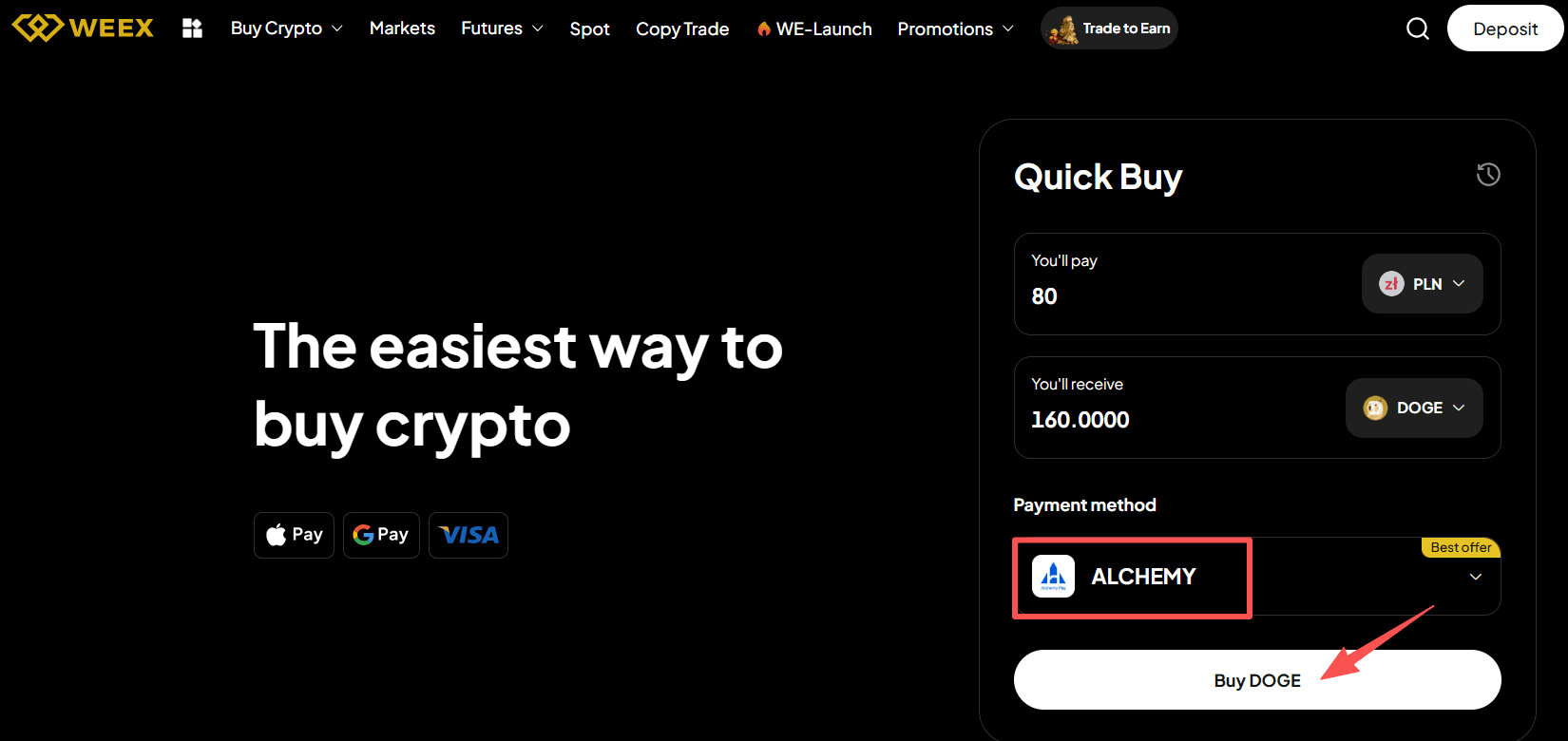
Step4:How to Buy DOGE with PLN on WEEX OTC?  APP Version

Step 5: After confirming the order, we will redirect to the payment channel to complete the transaction. You will receive the DOGE in 5 min after your order payment is completed.
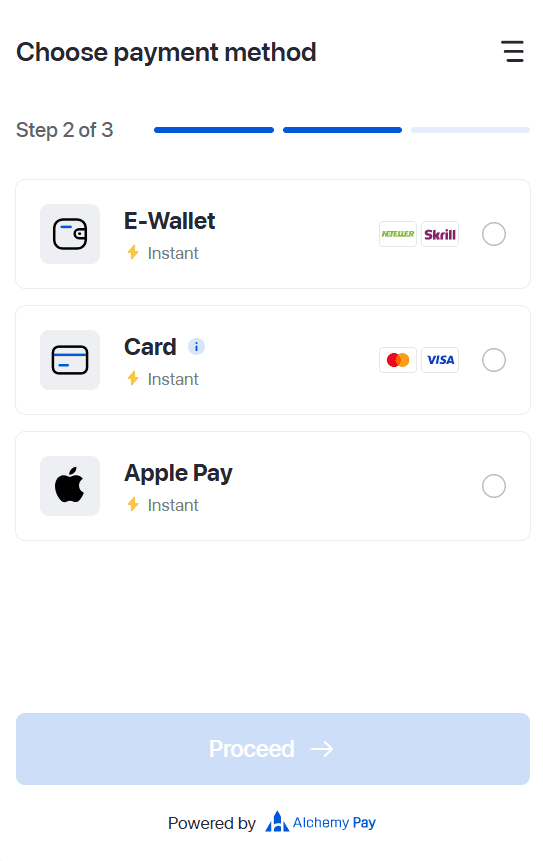
Step5:How to Buy DOGE with PLN on WEEX OTC?  APP Version

Follow WEEX on social media:

-- Price

--

You may also like

Plot twist in the AI race—the next big flex is actually physical infra?

In a recent exclusive interview with the “No Priors” podcast, Intel CEO Chen Liwu put forward a core assessment that challenges the market’s conventional wisdom: AI bottlenecks have long extended beyond GPUs.He pointed out that industrial system constraints—such as power supply, thermal management, new materials, and packaging manufacturing—are becoming the true bottlenecks.In fact, numerous reports indicate that data centers’ appetite for power is insatiable. The expansion of power grids, the consumption of basic materials such as copper and rare earth elements, and the advanced manufacturing capacity required to package hundreds of billions of transistors together are becoming the true “Achilles’ heel” constraining AI development.Chen Liwu’s perspective reveals a clear investment theme—the second half of the AI race is not just about GPUs, but also a “physical infrastructure battle” centered on capital-intensive, long-cycle sectors such as power, materials, and manufacturing.In this article, WEEX Labs uses Intel’s perspective as a starting point to dissect key U.S. stock targets within this trend, organizing them by sector. I. Power and Energy Networks: The “Blood” of AIConstellation Energy(CEGON)| Market Cap: Approximately $99 billionMain Business: The largest nuclear power operator and carbon-free power generator in the U.S.Core Advantage: Nuclear power is the only energy source capable of providing 24/7 zero-carbon “base-load power.” As tech giants scramble to secure long-term power purchase agreements (PPAs), CEG is the most direct beneficiary thanks to its vast nuclear power portfolio. Q1 2026 revenue reached $11.1 billion (significantly exceeding expectations); if PPAs continue to materialize, the valuation still has upside potential. GE Vernova (GEVON) | Market Cap: Approximately $300 billionMain Business: A global power equipment giant; core products include gas turbines, grid equipment, and energy storage systems.Core Advantages: When renewable energy cannot meet the base-load demand of AI, natural gas power generation becomes a critical transitional solution. GEV holds a dominant position in the global gas turbine market. By the end of Q1 this year, its gas power generation orders surged to 100 GW, and the order backlog is expected to reach at least 110 GW by year-end, indicating extremely strong earnings certainty. Eaton (ETNON) | Market Capitalization: Approximately $164 billionMain Business: A global leader in smart power management, covering the entire value chain “from the grid to the chip.”Core Advantages: Provides integrated power distribution, circuit protection, and liquid cooling solutions for data centers. Driven by strong demand from AI data centers, both revenue and earnings exceeded expectations in Q1 2026. The company raised its full-year organic growth guidance to 10% and expects EBITDA growth to climb to 18%–24% in the second half of the year. Vistra (VSTON) | Market Cap: Approximately $56 billionMain Business: The largest unregulated electricity producer and retail energy supplier in the U.S.Core Advantages: Possesses 44 GW of installed generating capacity (including natural gas and nuclear power), serving nearly one-third of Texas’s electricity consumers. Recently signed a major nuclear power supply agreement with Meta and acquired Cogentrix to add 5.5 GW of natural gas capacity; the company is a key beneficiary of the AI-driven surge in electricity demand. Oklo (OKLOON) | Market Capitalization: Approximately $10 billionMain Business: A pioneering developer of small modular reactors (SMRs).Core Advantages: Focuses on the “Aurora Powerhouse” fission power plant, which employs a “nuclear power as a service” model based on long-term power purchase agreements. Although still in the early stages, the company aligns with the long-term narrative of AI data centers’ need for clean, reliable baseload power and enjoys a very high sector-specific growth premium. II. Data Center Physical Infrastructure and Thermal Management: The “Skeleton and Cooling” of AIVertiv Holdings (VRTON) | Market Capitalization: Approximately $138 billionMain Business: The undisputed global leader in critical data center infrastructure and liquid cooling/thermal management.Core Advantages: As AI chip power consumption pushes beyond its limits, liquid cooling has shifted from an “option” to a “necessity.” Vertiv has a backlog of approximately $15 billion in orders and is collaborating with NVIDIA on joint development. It has recently completed two consecutive strategic acquisitions in thermal management, further solidifying its dominant position in the high-performance computing cooling sector. GE Vernova (GEVON) | Market Capitalization: Approximately $110 billionMain Business: The world’s largest data center REIT (Real Estate Investment Trust), providing colocation and interconnection services.Core Advantages: Operates 260 data centers across 71 markets worldwide. As the “landlord” of AI computing infrastructure, Equinix directly benefits from the demand for AI cluster expansion. Higher power density translates to higher per-rack rental rates, creating a “double boost” from both rising rents and expanded capacity. CoreWeave (CRWVON) | Market Cap: Approximately $60 billionMain Business: A cloud infrastructure platform built specifically for AI workloads, offering GPU computing power leasing, AI-native cloud services, and data center colocation.Core Advantages: Deeply integrated with NVIDIA; its client base includes leading AI players such as OpenAI, Anthropic, Meta, Google, and Microsoft. As of Q1 2026, its revenue backlog stood at $99.4 billion, with full-year revenue guidance of $12.0–13.0 billion. As a “specialized” player focused solely on AI computing infrastructure, CoreWeave directly benefits from the industry shift from AI training to inference. III. Key Raw Materials: The “Cornerstone” of AIFreeport-McMoRan (FCXON) | Market Cap: Approximately $99 billionMain Business: One of the world’s largest publicly traded copper producers.Core Advantages: Copper is the “lifeblood” of the electrification era. From power grid upgrades and transformer manufacturing to internal wiring in data centers, every stage of AI computing power expansion relies on massive amounts of copper. Against the backdrop of difficult approvals for new mines, FCX, with its high-quality copper mining assets, stands to benefit long-term from the supercycle in copper demand driven by AI. MP Materials (MPON) | Market Cap: Approximately $10 billionMain Business: The largest producer of rare earth elements in the Western Hemisphere, operating the only active large-scale rare earth mine in the United States.Core Advantages: Rare earth elements are core materials for AI robot servo motors, high-performance chips, and advanced packaging. In Q1 2026, the company set a record for neodymium-praseodymium oxide production. As the only U.S.-based company with a large-scale rare earth supply chain, MP aligns perfectly with the “supply chain security” strategies of Europe and the U.S., commanding a significant geostrategic premium. ConclusionChen Liwu’s perspective debunks the illusion that “AI simply requires more GPUs”—the AI boom is deeply penetrating the physical world. Electricity, materials, and manufacturing are no longer part of the traditional “old economy,” but rather the most critical foundation supporting the AI skyscraper.Compared to pure-play concept stocks, these industrial giants offer greater resilience and long-term compound growth potential. However, current valuations already reflect some optimistic expectations, so investors should consider macroeconomic interest rates, execution progress, and geopolitical factors—do your own research (DYOR).

How to Profit on Prediction Market: A Beginner's Guide to Prediction Market

Prediction markets are having a moment. In 2026, retail traders, institutions, and even the Federal Reserve are paying close attention. If you're wondering how to make money on prediction markets, the answer isn't guessing—it's understanding how contracts are priced, how settlement works, and how the market reacts to news.

This guide covers what is a prediction market, how to spot mispriced probabilities, and which strategies work for beginners. Think in probabilities. Manage your size. Don't overtrade.

Key TakeawaysPrediction markets let you buy and sell contracts on future events. The price tells you what the crowd thinks will happen.You profit by buying contracts where the crowd's probability is too low compared to your estimate. Hold to settlement or sell when the price corrects.Stick to objective events—clear questions, firm deadlines, and official settlement sources. Elections, Fed moves, inflation prints, and earnings reports are good starting points.Risk management separates winners from losers. Treat every trade as a test. Size so that three losses in a row don't hurt you. Cut trades when new data contradicts your thesis.Regulatory scrutiny is increasing in 2026. The CFTC has reaffirmed its jurisdiction. Enforcement actions are rising. Trade only on public information.What Is a Prediction Market?

A prediction market is exactly what it sounds like—a place where you trade contracts based on whether something will happen. The CFTC calls them "event contracts." They've existed in U.S. regulated markets for over twenty years.

Here's how they work:

One contract pays a fixed amount—usually $1—if the event occurs.The trading price of that contract tells you the market's probability estimate.A contract at $0.70 implies the crowd sees a 70% chance of that outcome.

That's why prediction markets matter. They're not just betting. They're forecasting engines with real money behind them. The Federal Reserve's 2026 research confirms that these markets produce "high-frequency, continuously updated, distributionally rich benchmark forecasts." Translation: they update faster than polls and react to real news in real time.

Why You Can Profit Here

Profit comes from mispricing, not luck.

If a contract trades at $0.40 but you believe the true probability is 60%, you have a potential edge. Buy it. Wait for the market to catch up or for the event to settle. Either way, you profit when the price moves toward reality.

You don't need to be right every time. You just need to be right more often than the market expects—and size your bets so a few wrong calls don't blow you up.

How to Make Money on Prediction Markets: Core StrategiesStrategy 1: Buy Underpriced Contracts

This is the simplest play. Find an event where the market's price looks too low relative to your analysis. Buy. Wait. Profit.

Example: A Fed rate hike contract trades at 40 cents. Economic data—jobs, inflation, Fed speeches—suggests the real chance is closer to 60%. You buy at 40. If the hike happens, you get $1 per contract. If the market re-prices to 55 cents before the decision, you can sell early and take the gain.

Strategy 2: Hold to Settlement

For beginners, this is the safest route. Pick a clean event with a binary outcome. Buy at a price you like. Hold until the event resolves. No chasing. No second-guessing.

Good events for this approach:

Election winners (who takes office)Fed rate decisions (hike, cut, or hold)Inflation data (CPI above or below target)Earnings reports (beat or miss)Sports outcomes (team A wins or loses)Strategy 3: Trade Around News

Enter before a known catalyst—jobs report, Fed meeting, earnings call, debate—and exit after the market re-prices.

The play:

Spot an upcoming event with a clear date.Get in before the announcement.Get out after the market absorbs the news.

The Fed's 2026 paper shows that prediction markets move sharply around macro releases. That's your window.

Strategy 4: Value Trading

Look for contracts that seem mispriced relative to other public data. Polls say one thing. The market says another. That gap is your opportunity.

Warning: Disagreeing with the market doesn't mean you're smarter. You need evidence—not ego. Compare the contract price against polls, economic models, and expert forecasts. If you can't point to a specific reason the market is wrong, you probably are too.

Strategy 5: Relative-Value Trading (Intermediate)

This one's for traders with some experience. Compare two related markets. If they're not priced consistently, buy the cheap one and sell the expensive one.

Skill level: Intermediate. The relationship between two outcomes can break without warning. Proceed carefully.

Best Types of Prediction Markets to Trade

If you're new, start with objective events. Objective means:

A clear yes/no questionA firm deadlineAn official settlement source

Good categories for beginners:

Elections – clear winner, official certification.Federal Reserve – rate decisions with published minutes.Inflation – CPI or PCE above/below specific thresholds.Jobs data – payrolls or claims hitting certain levels.Earnings – beat or miss against consensus.

Why objective matters: Subjective contracts invite arguments. Vague wording. Disputes over resolution. Low liquidity. The CFTC bans certain event types outright—terrorism, assassination, war, gaming, unlawful activity—under Regulation 40.11. Stay in the clear zone.

What Changed in 2026: Regulatory and Market Developments

The regulatory picture shifted this year.

The CFTC pulled its 2024 event-contract proposal in February. In March, it issued a staff advisory encouraging innovation while reminding everyone of their obligations under the Commodity Exchange Act.A February court filing reaffirmed the CFTC's exclusive jurisdiction over U.S. commodity derivatives—including prediction markets.Enforcement actions are up. Insider information. Fraud. Manipulation. The agency is watching.Reuters reported that prediction market platforms are courting institutional money. Cboe is planning to launch contracts with partial payouts later this year.

What this means for you:

Clearer rules could mean deeper liquidity.More institutions could tighten spreads.More oversight means stay clean—trade only on public information.Risk Management: Where Most Traders Lose

The biggest misconception about prediction markets is that you need to be right. You don't. You need to be right often enough with positions small enough that being wrong a few times doesn't end you.

How to Choose the Best Prediction Markets

Not all platforms are equal. Here's what to look for:

Regulatory status – Is the platform operating within a clear legal framework?Liquidity – Are enough traders active to make the price meaningful?Event variety – Does the platform offer events you actually understand?Fees – What are the trading costs and settlement fees?

Always verify compliance with your local regulations before depositing funds.

Conclusion

Making money on prediction markets isn't complicated. Find mispriced probabilities. Trade clean events you understand. Keep your risk small enough to survive being wrong.

Prediction markets turn uncertainty into numbers. That's their power. They let you act on information before the outcome is known. They can be profitable. But they're not free money.

For beginners: start small. Focus on objective events. Avoid contracts you can't explain in plain English. The regulatory environment in 2026 is clearer than before—lawful participation is welcome, but manipulation and insider trading are not.

Trade with a plan, not a guess. That's the difference between smart participation and expensive noise.

FAQ

Q1: What is a prediction market?

A prediction market is a platform where you buy and sell contracts on future events. The price of each contract reflects the market's estimate of probability. Examples include elections, Fed decisions, and corporate earnings.

Q2: How to make money on prediction markets?

Buy contracts when the implied probability is lower than your estimate. Hold to settlement or sell after the market re-prices. Profit comes from spotting mispriced outcomes, not from guessing.

Q3: What's the best prediction market strategy for beginners?

Start with simple, objective events. Election outcomes or Fed rate decisions work well. Buy at a favorable price and hold to settlement. Fewer decisions mean fewer mistakes.

Q4: Are prediction markets safe for beginners?

Yes, if you're disciplined. Start small. Trade only what you understand. Never risk money you can't afford to lose. Avoid exotic contracts where settlement could be disputed.

Q5: What are the main risks in prediction markets?

Mispricing risk—you might be wrong on probability. Liquidity risk—thin markets can trap you. Regulatory risk—rules can change. Information risk—the market might know something you don't. Trade with a plan and don't overexpose yourself.

Disclaimer: This content is for general informational and educational purposes only and does not constitute financial, investment, legal, or tax advice. Nothing in this article is an offer, recommendation, or solicitation to buy, sell, or trade any asset. Prediction markets carry risk, including potential loss of capital. Please assess risks and confirm local requirements before making any financial decisions.

Kalshi Prediction Market Explained: How It Works and Who Can Use It

The Kalshi Prediction Market is attracting more attention as event-based trading continues to grow. Instead of buying stocks or cryptocurrencies, users trade contracts based on whether specific events will happen. Because it operates under US financial regulations, the Kalshi Prediction Market offers a different experience from many blockchain-based prediction platforms. For beginners exploring event trading for the first time, understanding how the Kalshi Prediction Market works is the first step toward deciding whether this type of market matches their investment goals.

What Is Kalshi Prediction Market?

At its core, Kalshi is an event trading platform where users buy and sell contracts based entirely on how future events pan out. You aren't buying a tiny piece of a company or holding a digital token. Instead, you are risking money on highly specific, real-world questions that dominate the daily news cycle.

For instance, you might trade on whether inflation will jump past a certain percentage next month, if the Federal Reserve will cut interest rates at their next meeting, whether a specific sports team will take home the championship, or if Bitcoin will blast past a certain price target by the end of the week. Every single contract on the platform usually settles at either $1 or $0. If your prediction hits the nail on the head, you get the full dollar payout. If you are wrong, the contract expires completely worthless. This straightforward, all-or-nothing setup is exactly what makes prediction markets feel so different from traditional investing.

How Does Kalshi Work?

The entire platform runs on something called event contracts, which essentially trade based on the crowd's perceived probability of an event happening. Think of the pricing like a live percentage tracker: if a contract is currently trading at $0.65, it means the market collectively believes there is roughly a 65% chance of that specific outcome coming true.

As breaking news drops and fresh information hits the airwaves, traders frantically buy and sell these contracts, causing the prices to fluctuate continuously throughout the day. Once the event finally reaches its official conclusion, Kalshi automatically settles every single contract based on the real-world data. Unlike buying shares on the stock market, you never own a piece of an underlying business. You are simply trading on what people expect to happen, which is why these platforms are often called information markets.

What Can You Trade on Kalshi?

Kalshi leaves the traditional stock ticker behind and offers betting pools across a massive variety of real-world categories. The most heavily traded markets usually revolve around heavy-hitting economic data, such as US inflation reports, Federal Reserve interest rate hikes or cuts, official employment numbers, and key economic indicators. But they also branch out into weather events, sports competitions, and even political forecasting where local regulations allow it.

The platform constantly rolls out fresh markets as major global events draw near. While a lot of macro-traders use Kalshi to express a serious view on where the global economy is heading, plenty of retail users jump in simply because they love testing their forecasting skills against the crowd. But unlike traditional financial spaces, these markets are entirely driven by raw mathematical probabilities rather than corporate earnings or business performance.

Who Can Use Kalshi?

Because Kalshi decided to play strictly by the book, it is designed primarily for eligible users living inside the United States. Operating under the watchful eye of US financial regulations means that whether you can actually open an account depends heavily on your local state laws and passing strict identity verification checks.

Before you get excited and try to sign up, you always need to verify if the platform is legally active in your specific state or region and read through their latest compliance rules. While Kalshi's clean, modern interface makes it much friendlier for beginners to navigate than a clunky, old-school brokerage account, you shouldn't let the simple design fool you. Beginners still need to take the time to truly understand how binary event contracts work before putting any real money on the line.

What Makes Kalshi Different From Other Prediction Markets?

When people talk about event trading, they often lump Kalshi in with platforms like Polymarket, but their actual day-to-day approach is worlds apart. The absolute biggest differentiator is government regulation. Kalshi operates as a fully compliant, officially regulated event exchange inside the US. On the flip side, many alternative prediction markets are built entirely on blockchain technology and require you to use decentralized cryptocurrencies just to make a trade.

This difference bleeds directly into how you pay for your trades. Kalshi keeps things simple by supporting traditional US dollar deposits straight from your bank account, whereas decentralized platforms force you to figure out how to set up and connect a crypto wallet. 

The market flavors change drastically between the two as well—Kalshi sticks heavily to economic trends, finance, weather, and mainstream sports, while the crypto-native platforms lean into wild internet culture, crypto trends, and global political drama. Neither setup is universally better; they just serve completely different kinds of traders based on your location, how you want to pay, and what you actually want to bet on.

Some traders also use cryptocurrency exchanges alongside prediction market websites. While prediction markets allow users to trade the probability of future events, exchanges such as WEEX focus on buying and selling digital assets. Understanding the difference between these platforms can help beginners choose the right tool for different investment goals.

Conclusion

Kalshi has rightfully earned its spot as one of the most prominent, legally compliant prediction market platforms in the United States. By stripping away complex financial jargon and focusing on a simple contract structure, it has successfully opened the door for both curious newbies and veteran macro-traders to bet on real-world probabilities rather than long-term corporate stocks.

FAQ

1. Is Kalshi legal?

Yes, Kalshi is completely legal and operates as an officially regulated event exchange in the United States. However, because it follows strict financial laws, actual account availability depends entirely on your specific US state regulations and successful identity verification.

2. Is Kalshi a prediction market?

Yes, Kalshi is a textbook definition of a prediction market. It is an online exchange where instead of buying traditional assets like stocks or digital tokens, you are buying and selling contracts based entirely on the probability of future events coming true.

3. Can beginners use Kalshi?

Yes, beginners can easily navigate Kalshi thanks to its clean, user-friendly interface. However, because event trading is an all-or-nothing game where wrong predictions end up at zero, beginners should completely understand how these contracts price and settle before risking real cash.

4. How does Kalshi make money?

Unlike some platforms that hide their costs in wide spreads, Kalshi makes its revenue primarily by charging small, transparent trading fees on completed transactions. The exact fee can shift depending on the specific market size and your overall volume.

5. Is Kalshi the same as a crypto exchange?

No, Kalshi and crypto exchanges serve entirely different purposes. Kalshi is an event market built for trading the mathematical probabilities of real-world headlines. 

Disclaimer

This content is provided for general informational and educational purposes only and should not be considered financial, investment, legal, or tax advice. Nothing in this article constitutes an offer, recommendation, solicitation, or invitation to buy, sell, or trade any crypto asset or use any specific service. Crypto assets are highly volatile and involve risk, including the potential loss of capital. WEEX services may not be available in all regions and are subject to applicable laws, regulations, and user eligibility requirements. Please carefully assess risks and confirm local requirements before making any financial decisions.

What Is WXT Used For? A Beginner's Guide to WEEX Token Utility

KEY TAKEAWAYS

WXT is the native token of the WEEX ecosystem, designed to unlock platform benefits such as trading-fee discounts, airdrop eligibility, VIP-related perks, and ecosystem participation. New users can register on WEEX while learning how WXT fits into the platform's broader user-benefit structure.

WXT is designed as a platform utility token. Its value for users comes from how it connects to WEEX benefits, trading activity, user campaigns, and ecosystem access rather than from price speculation alone.

For beginners, WXT should be understood as a crypto asset with utility and market risk. Holding WXT may unlock platform benefits, but it does not guarantee income, profit, or future price growth.

Users should always check the latest WXT rules on WEEX because token benefits, campaign requirements, and eligibility conditions may change over time.

What Is WXT?

WXT, also known as WEEX Token, is the native ecosystem token of WEEX. It is designed to support user benefits across the platform, especially for users who actively trade, join campaigns, or want access to token-related perks.

WXT can be understood as a platform utility token. That means its purpose is not only to trade as a market asset, but also to connect users with specific WEEX ecosystem functions. These may include fee benefits, campaign access, VIP-related privileges, and selected reward opportunities.

Users who want to learn more about token details can review the official WEEX Token (WXT) page and compare the latest rules with their own trading needs.

What Is WXT Used For?

WXT is mainly used to access WEEX ecosystem benefits. These benefits can matter for users who trade frequently, participate in platform events, or want to follow WEEX's long-term token economy.

The main WXT use cases include trading-fee benefits, airdrop eligibility, VIP-related access, elite trader perks, and broader ecosystem participation. For beginners, the easiest way to understand WXT is simple: it is a token designed to connect WEEX users with platform-level benefits.

WXT for Trading Fee Benefits

One of the most important WXT use cases is trading-fee reduction. Trading fees can affect active users because small costs may add up over time, especially for users who trade often or manage multiple positions.

If a user qualifies for WXT-related fee benefits, the token may help reduce trading costs under the applicable WEEX rules. However, users should always compare the potential fee benefit with WXT market volatility. A useful platform perk does not remove price risk from the token itself.

WXT for Airdrop Eligibility

WXT may also be used for airdrop eligibility. In many exchange ecosystems, native tokens can help users qualify for platform campaigns, reward pools, or early-access events. This makes WXT relevant for users who want to participate more actively in WEEX ecosystem opportunities.

Beginners should read every campaign rule carefully. Airdrop requirements may include holding amounts, snapshot timing, trading tasks, account eligibility, or regional restrictions. Holding WXT alone should not be treated as a guaranteed reward unless the campaign terms clearly say so.

WXT and VIP-Related Perks

WXT can also be connected to VIP-related platform benefits. VIP structures are usually designed for more active users, and they may include better rates, special privileges, or access to selected platform features.

For users who trade frequently, VIP benefits can be part of a broader cost-management plan. For casual users, the value depends on whether the benefits match actual trading behavior. The key is to avoid holding WXT only for a perk that may not fit your usage pattern.

WXT for Elite Trader Benefits

Some WXT benefits may also connect to elite trader programs or platform participation opportunities. These features are usually more relevant for users who understand copy trading, profit-sharing rules, trading performance, and platform-specific eligibility requirements.

Beginners should not treat elite trader benefits as passive income. Any trading-related benefit still depends on rules, performance, risk management, and market conditions. Before joining any program, users should read the terms and understand how rewards, risks, and responsibilities work.

WXT Supply and Burn Mechanism

WXT also has a supply-management narrative. Token burns can reduce circulating or available supply depending on the design, and this can become part of a platform's long-term token economy strategy.

However, token burns do not guarantee price growth. WXT's market value still depends on platform demand, user adoption, liquidity, market sentiment, and broader crypto conditions. A burn model may support a deflationary structure, but price performance still requires real demand.

How to Track WXT

Users can track WXT through official WEEX pages and market tools. The WXT/USDT spot market can help users monitor current trading activity, while the WXT information page can help users understand ecosystem benefits and token details.

New users may also review the WEEX welcome bonus as a separate platform resource. This can help users understand how WEEX structures account incentives, trading tasks, and beginner-friendly benefits.

Is WXT Useful for Beginners?

WXT can be useful for beginners who plan to use WEEX actively. If a user trades, joins campaigns, follows WXT events, or wants to understand the platform ecosystem, WXT is worth learning about.

Still, beginners should separate token utility from investment expectations. WXT may provide access to platform benefits, but it remains a crypto asset. Its market price can rise or fall, and users should avoid buying more than they can afford to risk.

Conclusion

WXT is used as the native utility token of the WEEX ecosystem. Its main functions include trading-fee benefits, airdrop eligibility, VIP-related perks, elite trader benefits, and participation in the broader WEEX token economy.

For WEEX users, WXT may be worth understanding because it connects platform activity with token-based benefits. The best approach is to review official rules, compare benefits with personal trading needs, and avoid assuming that utility automatically means guaranteed investment returns.

FAQ

1. What is WXT used for?

WXT is used for WEEX ecosystem benefits such as trading-fee discounts, airdrop eligibility, VIP perks, elite trader benefits, and selected platform campaigns.

2. Can WXT reduce trading fees?

WXT may help eligible users access trading-fee benefits under WEEX rules. Users should check the latest requirements before relying on any discount.

3. Can WXT holders receive airdrops?

WXT may be connected to airdrop eligibility, but campaign rules can vary. Users should check each campaign's holding, snapshot, and eligibility requirements.

4. Is WXT a utility token?

Yes. WXT is best understood as a WEEX ecosystem utility token because it connects holders with platform-related benefits and participation opportunities.

5. Does holding WXT guarantee profit?

No. WXT has platform utility, but its market price can still rise or fall. Utility does not guarantee investment returns.

6. Is WXT useful for beginners?

WXT can be useful for beginners who plan to use WEEX actively, but they should understand the rules, benefits, and market risks before holding it.

7. Where can users learn more about WXT?

Users can review the official WEEX Token page and the WXT/USDT spot market page for current token information and market activity.

DISCLAIMER: WEEX and affiliates provide digital asset exchange services, including derivatives and margin trading, onlywhere legal and for eligible users. All content is general information, not financial advice-seek independentadvice before trading. Cryptocurrency trading is high risk and may result in total loss. By using WEEX services you accept all related risks and terms. Never invest more than you can afford to lose. See our Terms of Use and Risk Disclosure for details.

Top Prediction Market Websites in 2026: Which Platform Is Best for You?

Top Prediction Market Websites have grown rapidly over the past few years as more people discover event-based trading. Instead of buying stocks or cryptocurrencies, users trade contracts based on whether future events will happen. As interest continues growing, choosing among the many Top Prediction Market Websites has become more difficult. Some platforms focus on cryptocurrency, while others operate under financial regulations and support traditional payments. This guide reviews the Top Prediction Market Websites in 2026 and explains which platform may be the best choice depending on your experience, location, and trading goals.

Polymarket: Best for Crypto Traders

Right now, Polymarket stands as the undisputed giant of the event-trading world. Because it runs entirely on blockchain technology, it allows global users to deposit, trade, and withdraw seamlessly using cryptocurrency. The sheer variety here is wild markets cover everything from high-stakes politics and crypto price moves to sports, pop culture, and breaking global news.

The biggest superpower of Polymarket is its massive liquidity. When a market gets popular, it attracts millions of dollars from thousands of traders, which means you can enter and exit your positions instantly without getting stuck. It is the perfect playground for crypto natives who love using digital wallets. However, the platform has a bad habit of blocking users in certain regions due to local laws, so you always need to double-check your local regulations before setting up an account.

Kalshi: Best for Regulated Event Trading

If you want a platform that feels less like a crypto wild-west and more like Wall Street, Kalshi offers a completely different experience. Instead of hiding behind decentralized code, Kalshi operates as a fully regulated event exchange in the United States, allowing you to fund your account directly with US dollars.

You won’t find hype-driven meme markets here; Kalshi follows strict financial laws and focuses on serious topics like inflation rates, Federal Reserve interest decisions, weather patterns, and major economic data. For beginners who want the safety of a regulated financial product instead of dealing with the stress of crypto keys, Kalshi is an incredible option. The main catch is that because they follow the rules so strictly, their services are heavily restricted outside of specific regions.

PredictIt: Best for Political Predictions

PredictIt has spent years building a massive reputation around one specific niche: political forecasting. Whenever election season rolls around, this platform becomes the go-to hub for traders who want to bet on political events, senate races, and government policy decisions.

Compared to the massive catalogs of newer sites, PredictIt definitely offers fewer market categories. However, what it lacks in size, it makes up for with a highly passionate community and a dead-simple interface that makes it incredibly easy for absolute beginners to understand how contract odds work. Because political drama always dominates the news media, the liquidity on this platform can become insanely strong during major global elections.

Manifold Markets: Best for Learning Prediction Markets

Manifold Markets plays by an entirely different set of rules. Instead of asking you to risk your hard-earned cash, this platform runs entirely on virtual currency. It essentially acts as a massive financial sandbox, allowing beginners to learn the ropes of prediction markets without any fear of losing real money.

The topics here are completely user-generated and cover everything from bleeding-edge technology and science to sports and entertainment. Because there is zero financial risk, it is the ultimate training ground for newbies to understand market pricing, study crowd sentiment, and test out trading strategies. While it isn’t built for professional traders looking for a payout, it remains hands-down the best educational prediction market website available today.

How to Choose the Right Prediction Market Website

At the end of the day, finding the best prediction market website comes down to what you are actually trying to achieve. Before you dive in and open an account, ask yourself a few basic questions: Do you prefer using cryptocurrency or traditional cash? Is the platform actually legal in your country? What kind of real-world events do you actually understand well enough to trade? Does the market have enough liquidity for you to cash out early? And finally, is strict government regulation important to your peace of mind?

If you are already deep into the web3 space, crypto-native hubs like Polymarket are hard to beat because of their global reach and fast blockchain transactions. On the other hand, traditional investors will always feel much more comfortable using a legally compliant platform like Kalshi.

Some traders also use cryptocurrency exchanges alongside prediction market websites. While prediction markets allow users to trade the probability of future events, exchanges such as WEEX focus on buying and selling digital assets . Understanding the difference between these platforms can help beginners choose the right tool for different investment goals.

Conclusion

Prediction markets have earned a permanent spot in the modern online trading landscape. They give people a unique way to trade on real-world events instead of boring traditional assets, opening up a whole new world of opportunities for both seasoned pros and curious beginners.

Every platform we reviewed has its own unique superpower. Polymarket gives you the ultimate selection of crypto-fueled global markets. Kalshi keeps things safe and legal with regulated economic trading. PredictIt is the undisputed king of political gossip, while Manifold Markets gives you a completely safe space to learn without losing a dime.

Before you deposit money into any prediction market website, just make sure you fully understand their specific rules, fee structures, and regional restrictions. Picking the platform that matches your actual experience level is the smartest move you can make to protect your capital.

FAQ

1. What is a prediction market website?

A prediction market website is an online platform where you can buy and sell contracts based on the actual outcomes of future events. Instead of trading stocks, you are trading on real-world results like election winners, sports scores, cryptocurrency prices, or global economic reports.

2. Which prediction market website is best for beginners?

If you want zero risk, Manifold Markets is the best place to start because it uses play money. If you are ready to trade with real cash, Kalshi is great for US-based users who prefer bank transfers, while Polymarket is the top choice for beginners who already know how to use a crypto wallet.

3. Is Polymarket better than Kalshi?

Neither is objectively "better" because they serve completely different crowds. Polymarket is loved by the global crypto community for its massive variety and deep liquidity, while Kalshi is built for users who want a fully regulated, legal trading environment backed by US dollar compliance.

4. Are prediction market websites legal?

The legality depends entirely on where you live. Regulated platforms like Kalshi operate legally under strict financial licenses in specific countries like the US. Decentralized platforms like Polymarket use blockchain tech and often have strict geographic restrictions to comply with international laws.

5. What can you trade on prediction market websites?

Depending on the platform you choose, you can trade contracts on almost anything under the sun. This includes political elections, macroeconomics, sports outcomes, celebrity news, tech breakthroughs, and daily cryptocurrency price targets.

Disclaimer

This content is provided for general informational and educational purposes only and should not be considered financial, investment, legal, or tax advice. Nothing in this article constitutes an offer, recommendation, solicitation, or invitation to buy, sell, or trade any crypto asset or use any specific service. Crypto assets are highly volatile and involve risk, including the potential loss of capital. WEEX services may not be available in all regions and are subject to applicable laws, regulations, and user eligibility requirements. Please carefully assess risks and confirm local requirements before making any financial decisions.

How to Start Spot Trading on WEEX: No Leverage, No Liquidation Risk

Spot trading is the most straightforward way to own cryptocurrency. No leverage. No liquidation risk. Just buy, hold, and sell when you're ready. If you're new to crypto, trading on WEEX starts here. This guide covers how spot markets work, the difference between Fund and Spot accounts, and how to execute your first trade.

WEEX has established itself as a reliable cryptocurrency exchange since its founding in 2018, serving over 3 million registered users with a daily trading volume exceeding $300 million. With competitive fees and a user-friendly interface, it's an ideal platform for beginners looking to enter the crypto market through spot trading.

Key TakeawaysSpot trading means buying and selling actual cryptocurrencies for immediate delivery. You own the real asset, not a contract.No liquidation risk: Unlike futures, you can't be wiped out by a bad move. Even if prices drop, you still own the coins.Fund vs. Spot Account: WEEX separates deposits (Fund Account) from active trading (Spot Account). Transfer funds before trading.Market vs. Limit Orders: Market orders execute instantly at current prices; limit orders let you set a specific entry price.What Is Spot Trading in Crypto?

Spot trading is the direct purchase or sale of cryptocurrencies at the current market price, with settlement occurring immediately. When you buy Bitcoin on the spot market, you own that Bitcoin. Not a contract. Not a promise. The actual asset.

The mechanics are straightforward:

Order book system: Buyers (bids) and sellers (asks) post prices.The match: When your buy price meets a sell price, the trade executes instantly.Ownership: Crypto moves into your Spot Account immediately.

Unlike futures, there's no expiration date. Hold for ten minutes or ten years—your choice. This direct ownership makes spot trading the foundation of every crypto portfolio.

Why Spot Trading Is Best for Beginners

No liquidation risk. That's the big one. In futures trading, a bad move can wipe out your entire position. In spot trading, even if Bitcoin drops 50%, you still own the same Bitcoin. You only lose if you sell at the lower price.

Three reasons beginners start with spot:

Direct ownership: You control the asset. Withdraw to your private wallet anytime.No leverage: 1:1 only. No borrowed funds, no margin calls.Learn the market: Watch price action without risking total loss.

Understanding Your WEEX Accounts: Fund vs. Spot

Before your first trade, know this: WEEX separates your assets into two accounts.

td {white-space:nowrap;border:0.5pt solid #dee0e3;font-size:10pt;font-style:normal;font-weight:normal;vertical-align:middle;word-break:normal;word-wrap:normal;}AccountPurposeFund AccountMain wallet. Stores deposits. Used for withdrawals and grid bots.Spot AccountActive trading account. Used only for spot market orders. Shows real-time P&L.

Critical: If you deposit funds but your trading page shows $0 available, you forgot to transfer from Fund to Spot. The transfer is instant and free. Do it every time before trading.

How to Trade Spot on WEEX: Step-by-Step Guide

Follow these steps to execute your first spot trade on WEEX.

Step 1: Go to the WEEX official website, sign up and create your account.Step 2: Transfer Funds to Your Spot AccountStep 3: Search for the trading pair you want to trade. Popular pairs include: BTC/USDT, ETH/USDT and WXT/USDT.Step 4: Choose Your Order Type: Market order or Limit order.Step 5: Place Your Order. Enter the amount and click Buy or Sell to finish your order.Step 6: Withdraw to your Private Wallet (Optional).

Spot Trading vs. Futures Trading: Key Differences

New traders confuse these. Here's the breakdown:

td {white-space:nowrap;border:0.5pt solid #dee0e3;font-size:10pt;font-style:normal;font-weight:normal;vertical-align:middle;word-break:normal;word-wrap:normal;}FeatureSpot TradingFutures TradingAsset ownershipYou own the actual cryptoYou own a contract based on priceLeverageNone (1:1)Up to 150x availableProfit directionOnly when price goes upBoth rising and falling marketsLiquidation riskNoneHighBest forLong-term holding, staking, airdropsShort-term trades, hedging

Pro tip: Use spot for building a portfolio. Use futures only after you understand leverage risk.

Conclusion: Why Start Spot Trading on WEEX in 2026?

Spot trading is the foundation of every crypto portfolio. On WEEX, you get direct ownership of your assets, no liquidation risk even if prices drop, simple transfers between Fund and Spot accounts, and multiple order types including market, limit, and TP/SL.

No hidden leverage. No surprise liquidations. Just buy, hold, and sell when you're ready.

Ready to trade? WEEX offers zero fees, instant execution, and the security you need. Sign up on WEEX Now and Start SpotTrading!

FAQ

Q1: What is spot trading on WEEX?

Spot trading on WEEX means buying and selling cryptocurrencies for immediate delivery at the current market price. You own the actual coins, not a contract or derivative.

Q2: How is spot trading different from futures?

In spot, you own the crypto. In futures, you own a contract. Spot has no liquidation risk. Futures can wipe out your position if the market moves against you.

Q3: How do I start spot trading on WEEX?

Open the WEEX app or website. Go to Spot. Transfer funds from Fund Account to Spot Account. Choose your trading pair. Place a buy or sell order.

Q4: What are the fees for spot trading on WEEX?

WEEX charges a flat 0.1% fee for both makers and takers on spot trades. Holding WXT tokens can qualify you for VIP discounts.

Q5: Is spot trading safe for beginners?

Yes. Spot trading has no liquidation risk. You can only lose what you invest. It's the safest way to learn crypto markets.

Disclaimer: This content is provided for general informational and educational purposes only and should not be considered financial, investment, legal, or tax advice. Nothing in this article constitutes an offer, recommendation, solicitation, or invitation to buy, sell, or trade any crypto asset or use any specific service. Crypto assets are highly volatile and involve risk, including the potential loss of capital. WEEX services may not be available in all regions and are subject to applicable laws, regulations, and user eligibility requirements. Please carefully assess risks and confirm local requirements before making any financial decisions.

Earn USDT daily with Auto Earn. Enjoy flexible USDT savings. Auto earn passive income while you trade. Simple, secure, no lock-up.
Start Earning Now

Popular coins

iconiconiconiconiconiconicon
Customer Support:@weikecs
Business Cooperation:@weikecs
Quant Trading & MM:bd@weex.com
VIP Program:support@weex.com