Week 7 On-chain Data: Bullish Momentum Stalls, Short-Term Market Sentiment to Remain Subdued

By: blockbeats|2025/02/25 21:15:02
0
Share
copy
Original Article Title: "The Cryptic Market, Is the Continuous Decline a Reflection of Sentiment or Substantial Selling? | WTR 2.24"
Original Source: WTR Research Institute

Weekly Recap

For the week from February 17th to February 24th, the highest point of Bitcoin approached $99,475, while the lowest point neared $93,388, with a fluctuation range of about 6.53%.

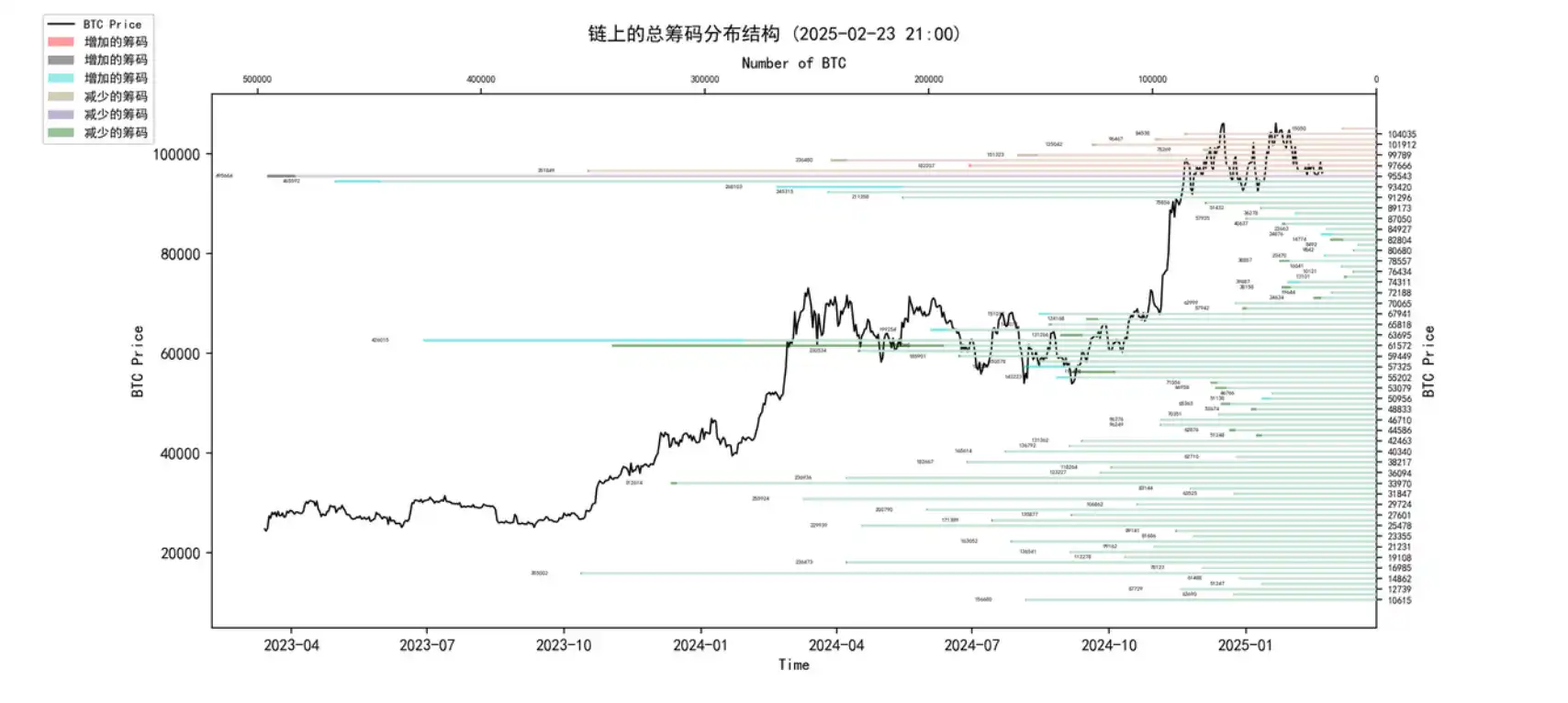
Observing the distribution of holdings, a significant amount of Bitcoin traded around 95,000, providing a certain level of support or resistance.

Week 7 On-chain Data: Bullish Momentum Stalls, Short-Term Market Sentiment to Remain Subdued

• Analysis:

1. 1.52 million coins held between 60,000-68,000;

2. 2.75 million coins held between 90,000-100,000;

• The probability of a short-term drop not breaking below 87,000-91,000 is 60%;

• The probability of a short-term rise not breaking above 110,000-115,000 is 40%.

Important News Highlights

Economic News

1. The minutes of the Federal Reserve's January meeting showed that members believed "considering a pause or slowing the reduction of the balance sheet until the debt limit issue is resolved may be appropriate."

2. Fed's Bullard: PCE inflation data is unlikely to be as concerning as CPI, once inflation falls, interest rates can further decrease.

3. Fed's Kudlow expects the January PCE inflation rate to be 2.4% (previously 2.6%), with core PCE inflation rate at 2.6% (previously 2.8%).

4. Fed's Bostic stated: Despite significant uncertainty, the Fed should still be able to carry out two 25-basis-point rate cuts this year.

5. Fed's Bullard: PCE inflation data is unlikely to be as concerning as CPI, once inflation falls, interest rates can further decrease.

Crypto Ecosystem News

1. SoSovalue statistics show that twenty states at the state level in the United States are initiating BTC reserve-related legislative processes, with fifteen states' bills formally accepted by the House and entering the committee review stage, forming actionable legal drafts.

2. The U.S. legislation allowing Utah to invest in BTC has passed the state Senate committee and will now proceed to the Senate for a second and third reading, ultimately leading to a vote.

3. The BTC Reserve Bill has been passed in the House of Representatives, so if approved by the Senate, Utah's Republican Governor, Spencer Cox, only needs to sign the bill for BTC to become a reserve asset.

4. FOX Business reporter Eleanor Terrett stated that the U.S. Securities and Exchange Commission (SEC) is very interested in staking and has even requested a memo from industry insiders detailing the various types of staking and their benefits. It is expected that the regulatory agency will soon release guidance on staking, as it is a topic they are actively discussing.

5. QCP Capital mentioned that since Trump took office, multiple ETF applications related to altcoins have been submitted to the U.S. Securities and Exchange Commission (SEC). It is still uncertain whether this will serve as a catalyst for Trump's positioning of the U.S. as a global cryptocurrency hub and pave the way for further ETF approvals by 2025.

6. On the options front, Delta implied volatility has shifted towards a call skew across all tenors, indicating that the market is preparing for the second stage of a bull market. With easing inflation concerns, the S&P 500 hit a new high, the U.S. dollar index fell to the 107 level, and the macro backdrop seems increasingly supportive of risk assets.

7. According to The Wall Street Journal, the U.S. Securities and Exchange Commission (SEC) has agreed to drop the lawsuit against Coinbase, which sought to regulate the company as a securities exchange. The dismissal of the lawsuit marks the end of the SEC's years-long tough stance on the crypto market, which could boost the sentiment of cryptocurrencies previously accused of being securities.

8. Bybit's multi-signature address was involved in a hack, where approximately $1.429 billion worth of ETH was stolen (around 514,000 ETH). Bybit's CEO responded, saying, "Bybit has the ability to reimburse, can bear this loss, has processed 70% of the withdrawals, and the peak of the run on the exchange is over."

· Long-Term Insights: Used to observe our long-term situation; Bull Market/Bear Market/Structural Shift/Neutral State

· Medium-Term Exploration: Used to analyze which stage we are currently in, how long it will last, and what conditions we will face

· Short-Term Observations: Used to analyze the short-term market conditions; as well as the emergence of certain directions and the likelihood of events under certain premises in the long-term view

Long-Term Insights

• Short-Term Speculator Cost

• Spot Total Selling Pressure

• High-Weighted Selling Pressure

• Long-Term Participant Ratio

(See Short-Term Speculator Cost Chart Below)
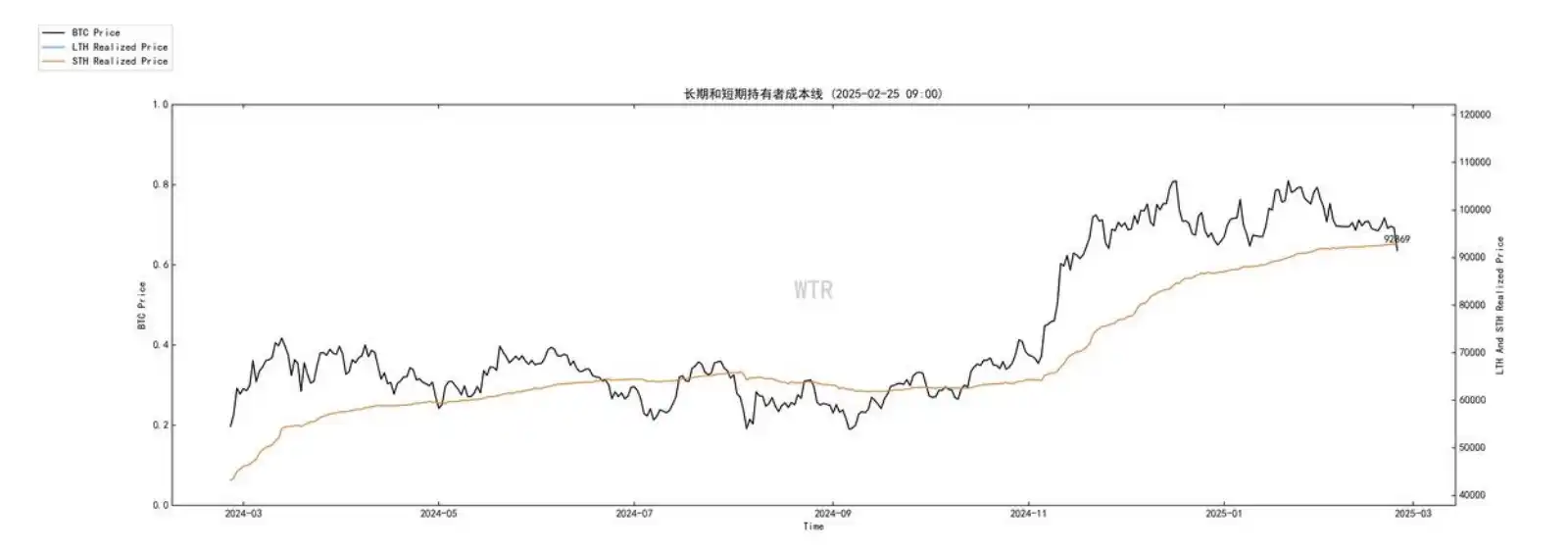
The current price has dropped below the short-term speculator cost, potentially causing most short-term speculators to incur losses. In this situation, they usually reduce selling or hold flat due to psychological reasons. As selling pressure decreases, some buyers step in to share the cost, creating some support.

(See Spot Total Selling Pressure Chart Below)
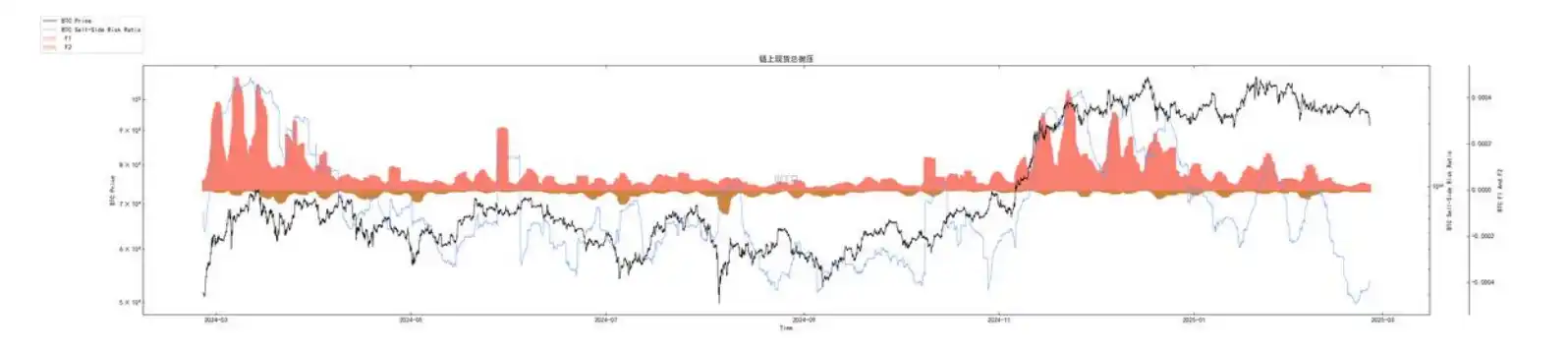
Although spot selling pressure has increased slightly, it remains near a one-year low overall.

The market does not have much substantial selling, likely due to psychological factors and prevalent emotions.

(See High-Weighted Selling Pressure Chart Below)
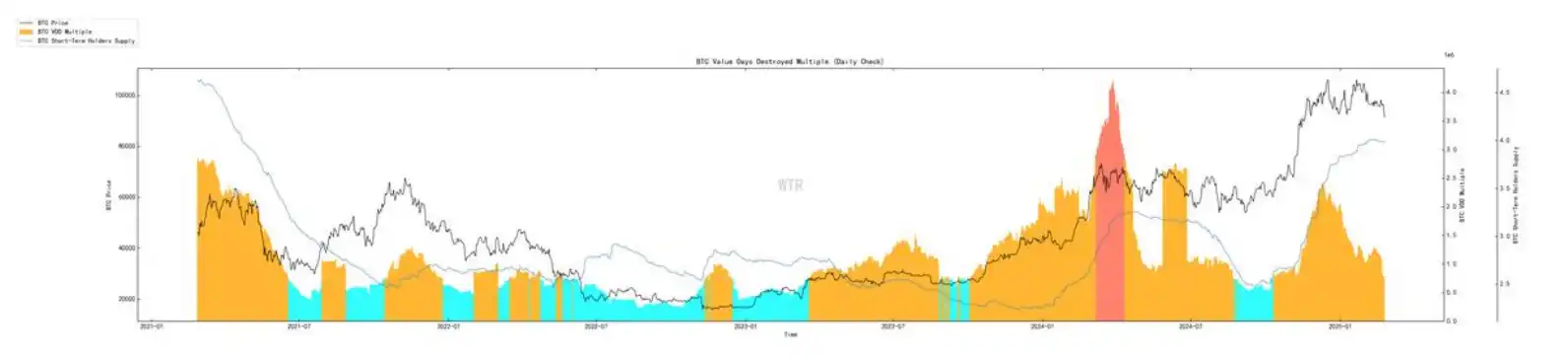
High-weighted selling pressure is also gradually decreasing and approaching the low-zone area.

(See Long-Term Participant Ratio Chart Below)
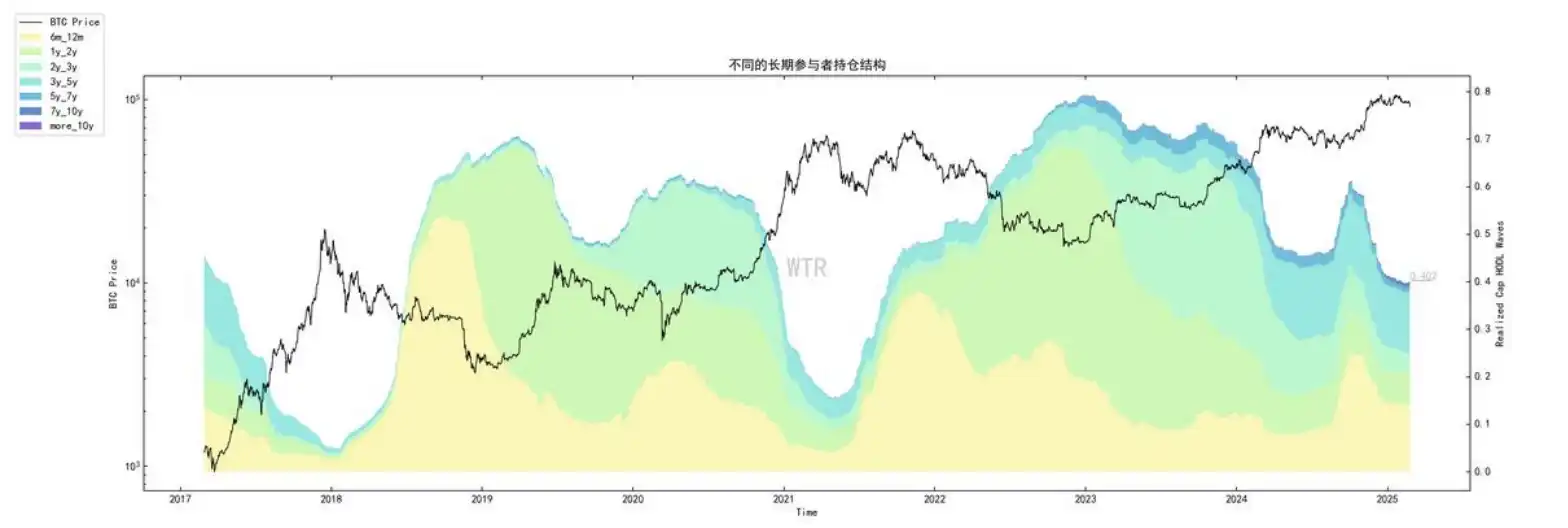
The long-term participant ratio has seen some minor increase, indicating that long-term participants still relatively favor the market's current stage.

Medium-Term Exploration

• BTC Exchange Net Position Trend

• ETH Exchange Net Position Trend

• Liquidity Supply Amount

• Network Sentiment Positivity

• Futures Liquidation Structure

(See BTC Exchange Net Position Trend Chart Below)
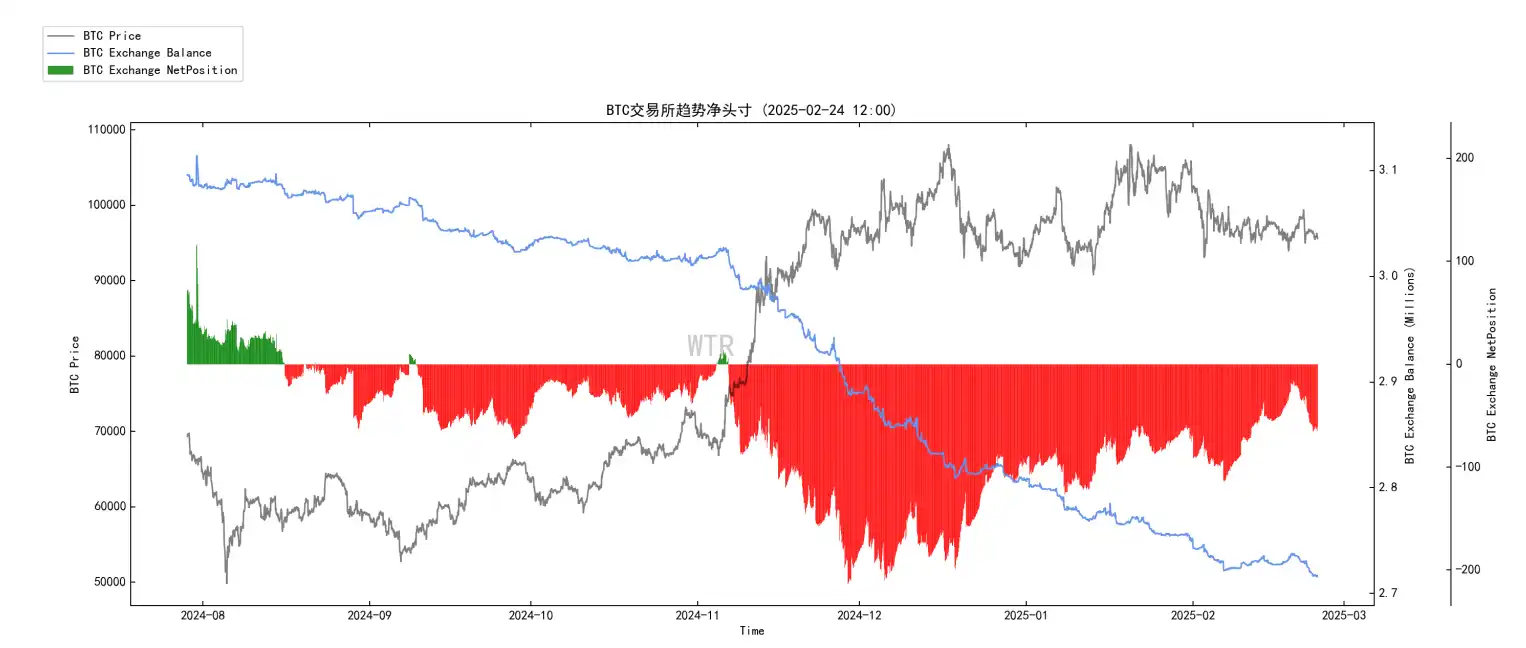
The BTC exchange net position trend continues to show an accumulation trend. On-chain activity is gradually moving away from frequent trading of BTC and is more focused on accumulation at present.

Under the current conditions, one must also consider the liquidity inherent to the exchange.

The current risk may not lie in the accumulation of BTC on the buy side but rather in whether the liquidity is sufficient to support the market price.

(See ETH Exchange Trend Net Inflow in the following figure)
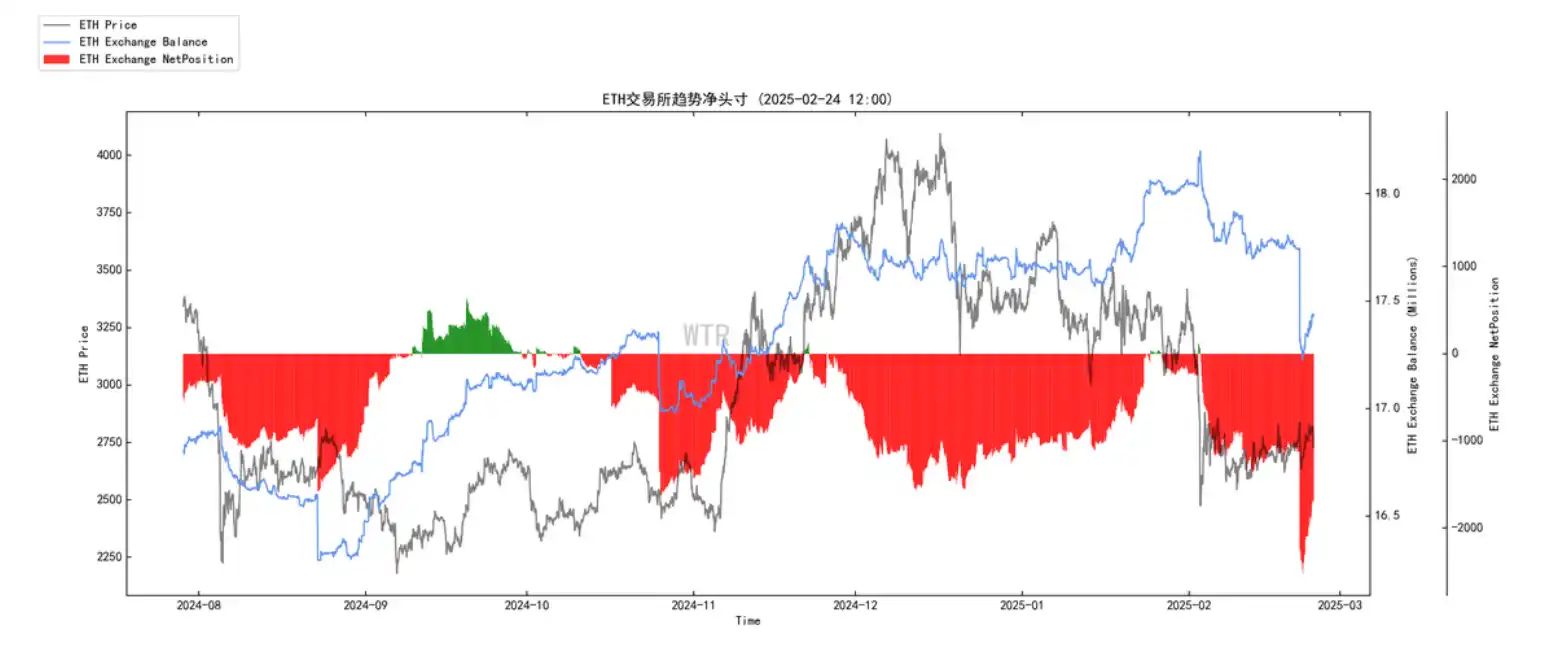
ETH's current accumulation state has slowed down, and even with a certain amount of inflow, there may still be potential selling pressure.

(See Liquidity Supply Amount in the following figure)
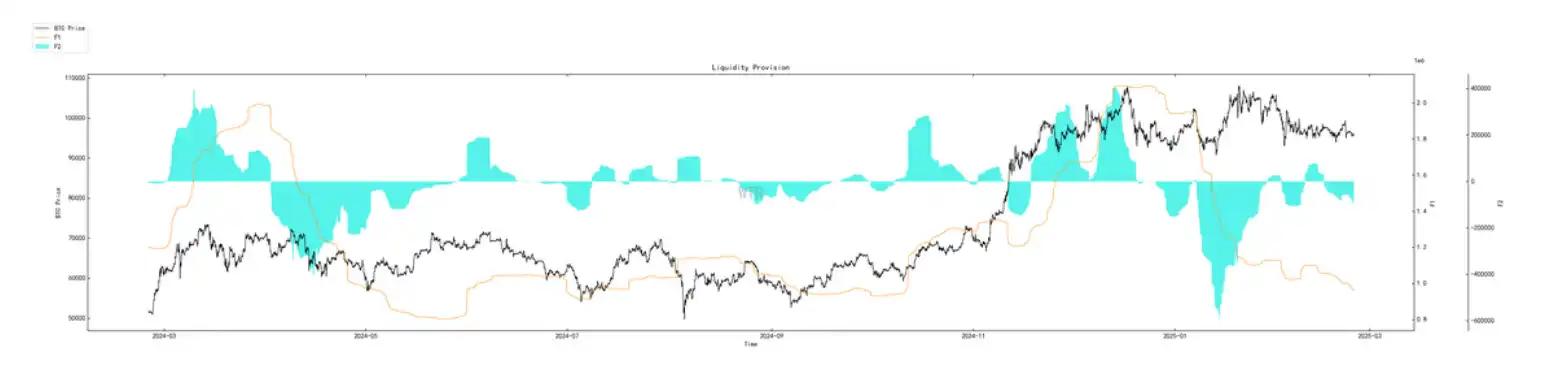
Currently, BTC's liquidity is poor and continues to decline. Market conditions may improve when liquidity improves.

(See Network Sentiment Positivity in the following figure)
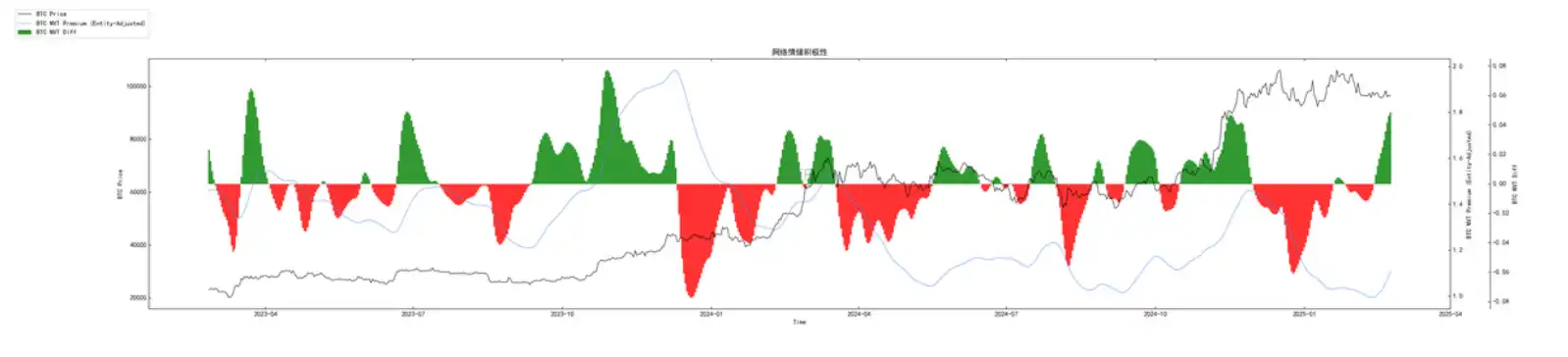
The network sentiment remains at a relatively high level, indicating that the on-chain positivity is still high.

(See Futures Liquidation Structure in the following figure)
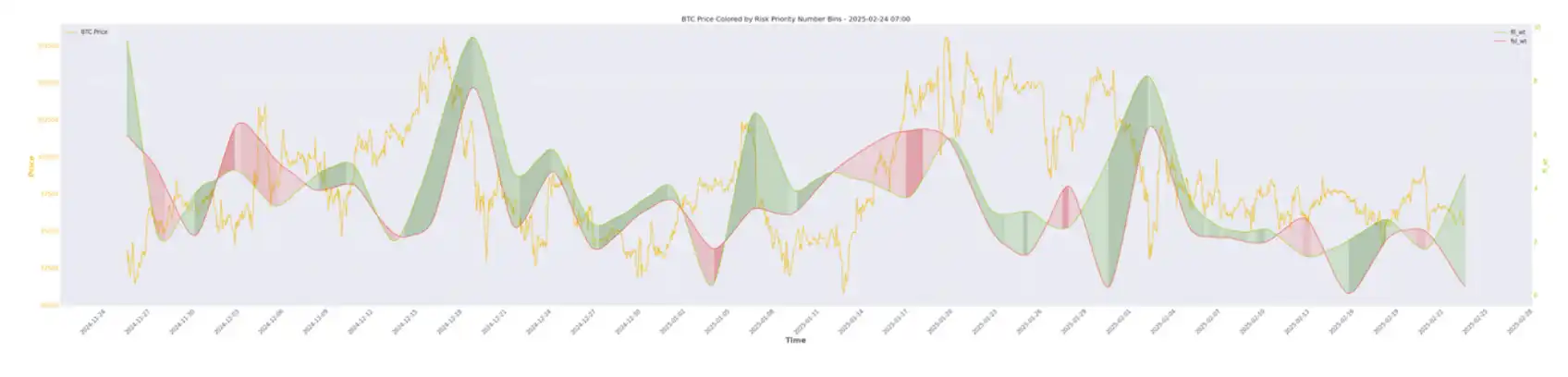
The current liquidation structure shows a significant ratio of long liquidation. Market stabilization is expected once the current liquidation trend stops.

Short-Term Observations

• Derivative Risk Coefficient

• Options Intentional Trade Ratio

• Derivatives Trading Volume

• Options Implied Volatility

• Profit and Loss Transfer Amount

• New Addresses and Active Addresses

• BitFresh Exchange Trend Net Inflow

• Auntie Exchange Trend Net Inflow

• Heavy Selling Pressure

• Global Buying Power Status

• Stablecoin Exchange Trend Net Inflow

• Off-Chain Exchange Data

Derivatives Rating: The risk coefficient is in the red zone, indicating high derivative risk.

(See Derivative Risk Coefficient in the following figure)
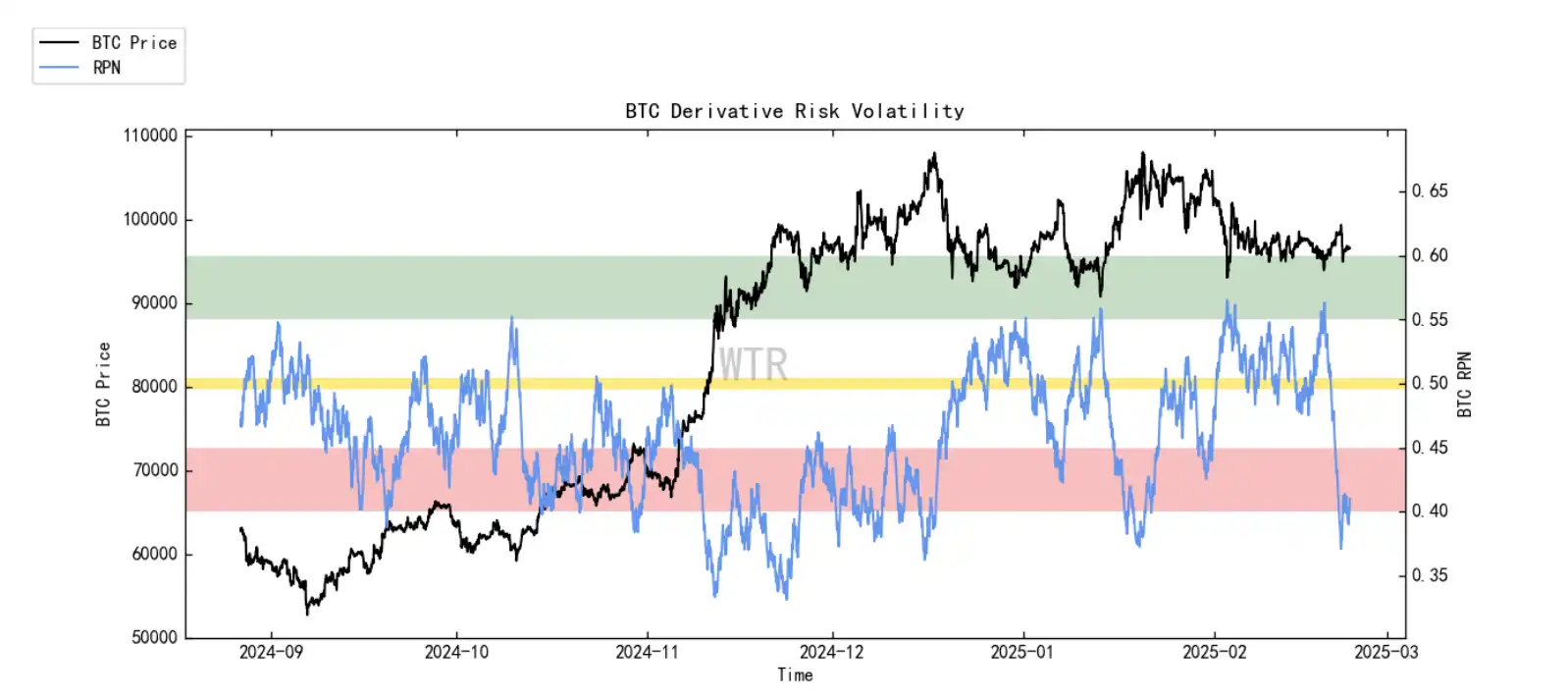
Since the high fluctuation of BTC, the risk index has entered the red zone for the second time, indicating a significant increase in liquidation risk for long positions in derivatives this week.

(See the chart below for Options Intent Transaction Ratio)
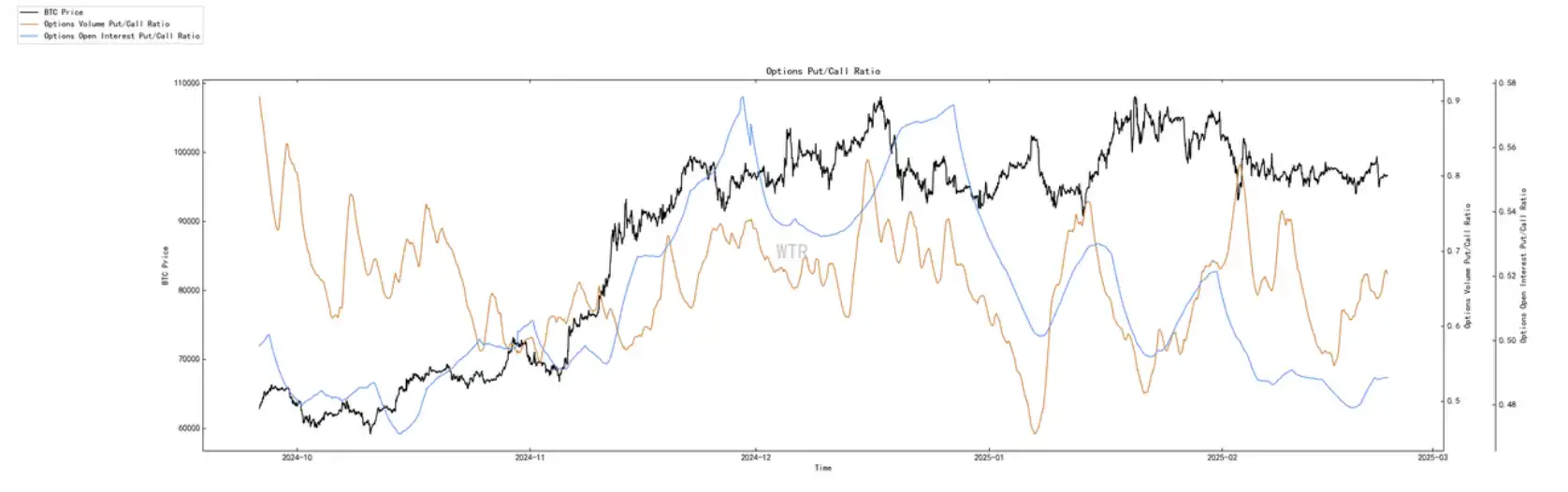
The put/call ratio is at a low level, and the trading volume is also low.

(See the chart below for Derivatives Trading Volume)
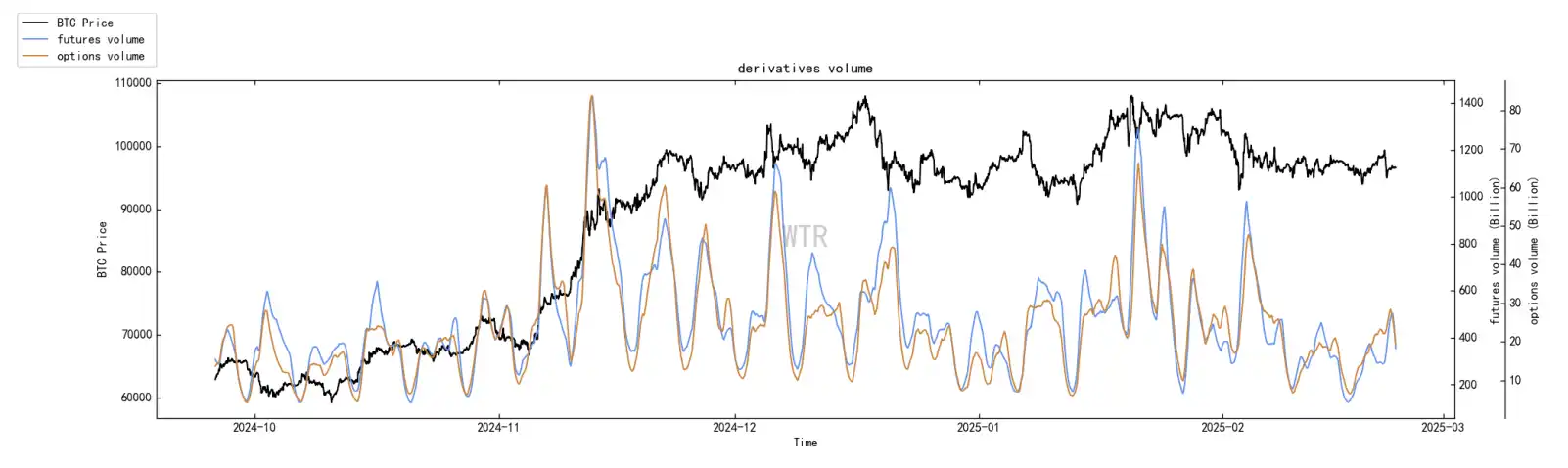
Since the continuous fluctuation, the derivatives trading volume has been decreasing, indicating a reduction in market activity.

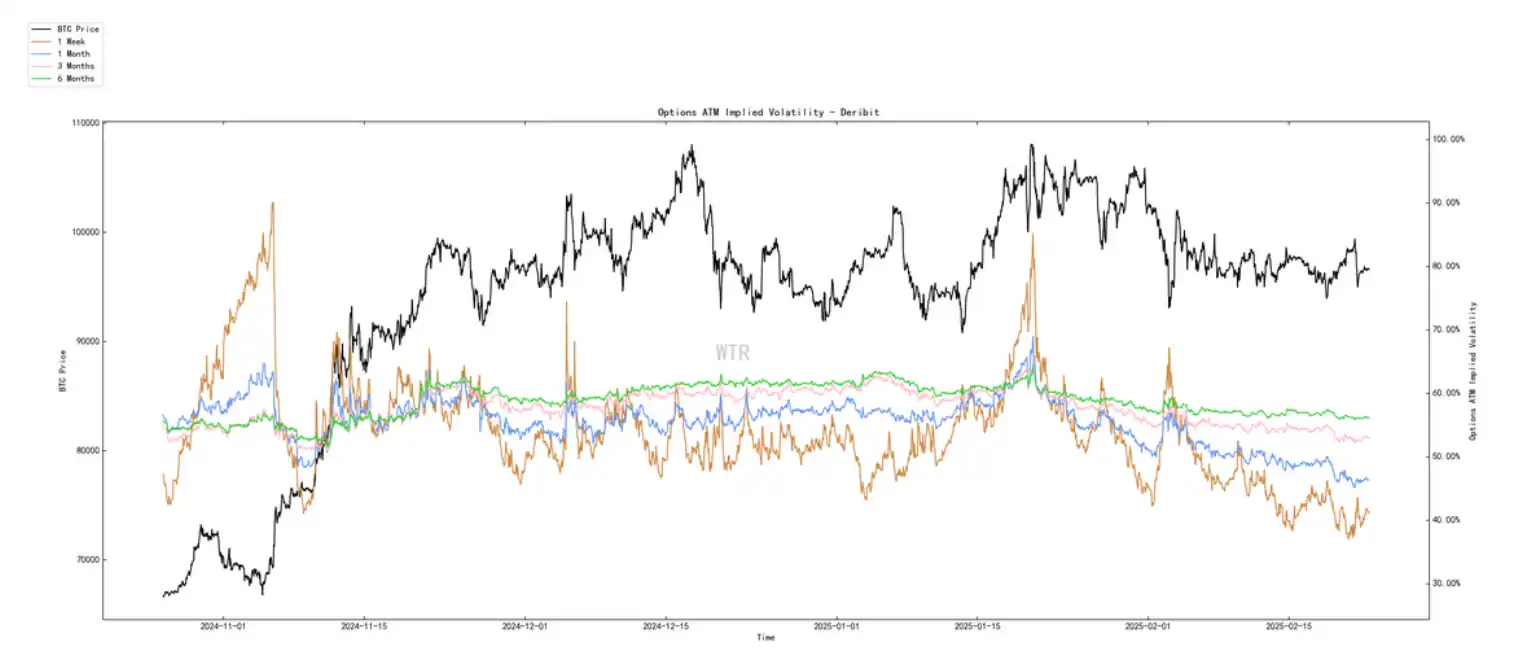
(See the chart below for Options Implied Volatility)
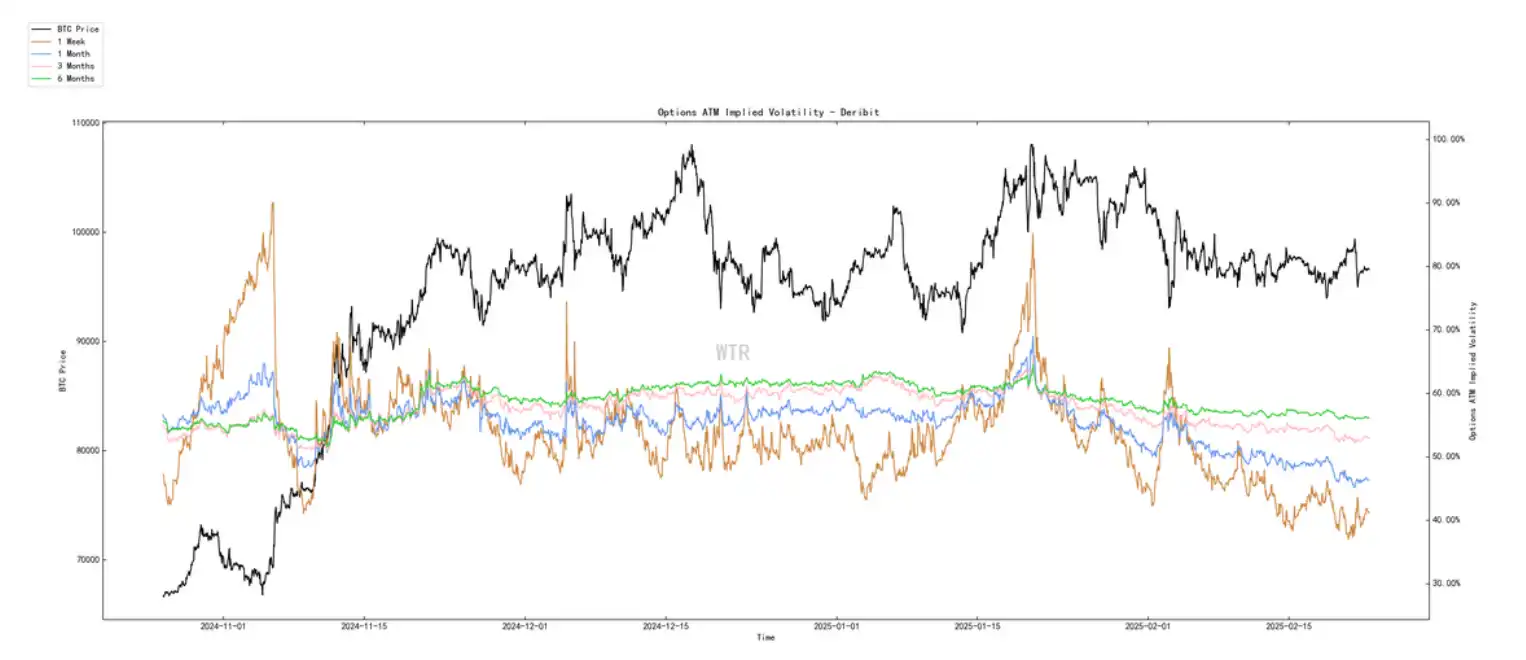
The options implied volatility has not experienced significant fluctuations in the short term.

Sentiment Status Rating: Neutral

(See the chart below for Profit/Loss Transfer Amount)
Both the current market positive sentiment (blue line) and panic selling sentiment (orange line) are at extremely low levels. The market is expected to remain in a fluctuation mode.

(See the chart below for New and Active Addresses)

New and active addresses are at a low level.

Spot Market and Selling Pressure Structure Rating: BTC and ETH are in a state of significant outflow accumulation.

(See the chart below for Exchange Net Inflow Indicator for BTC)
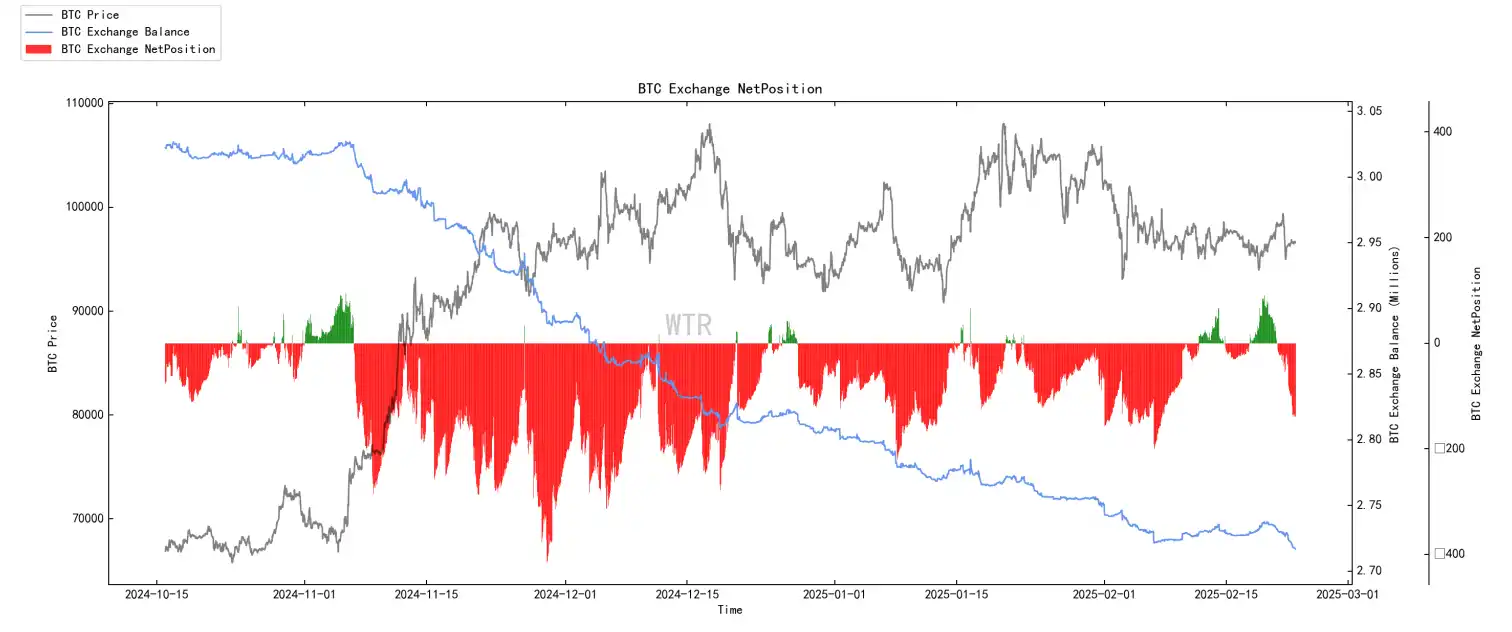
The BTC exchange net inflow indicator shows continuous significant outflow accumulation.

(See the chart below for Exchange Net Inflow Indicator for ETH)
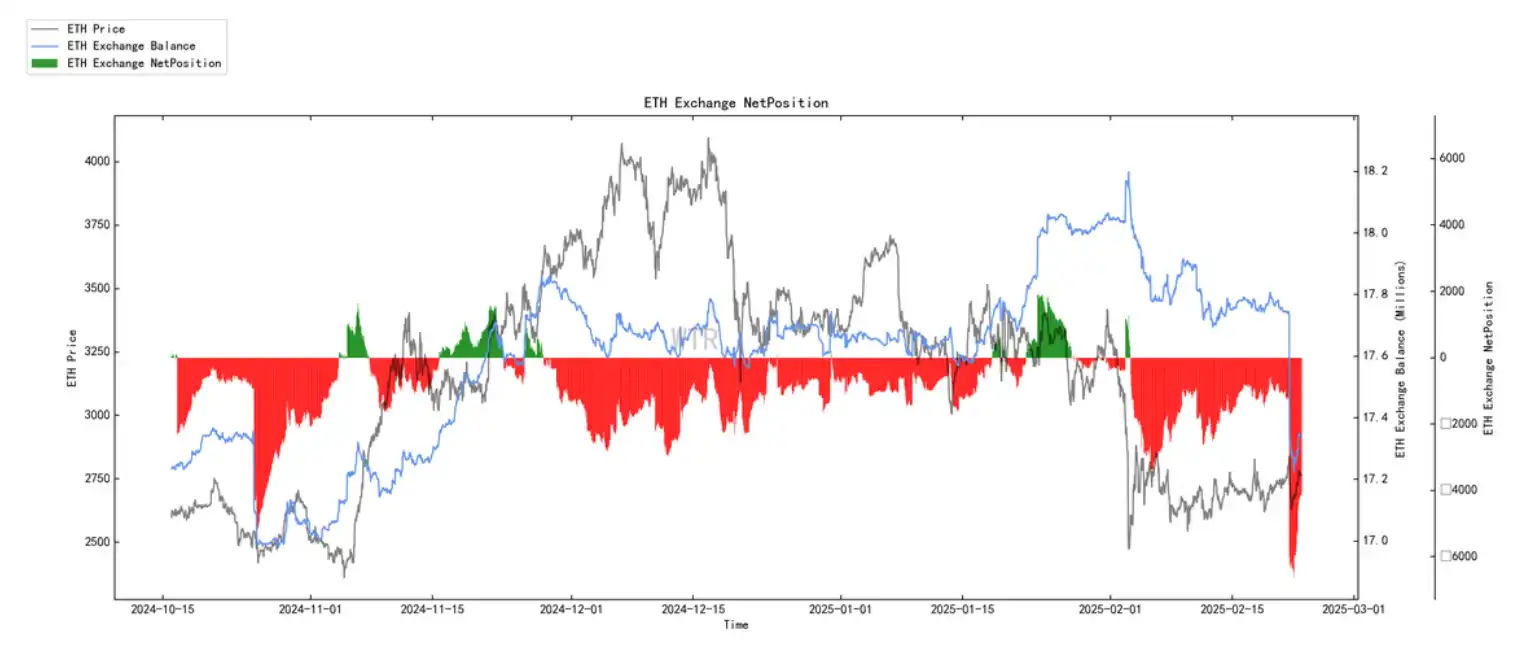
ETH Exchange Net Flow Continues Heavy Outflows Accumulation.

(See High Weighted Sell Pressure Below)
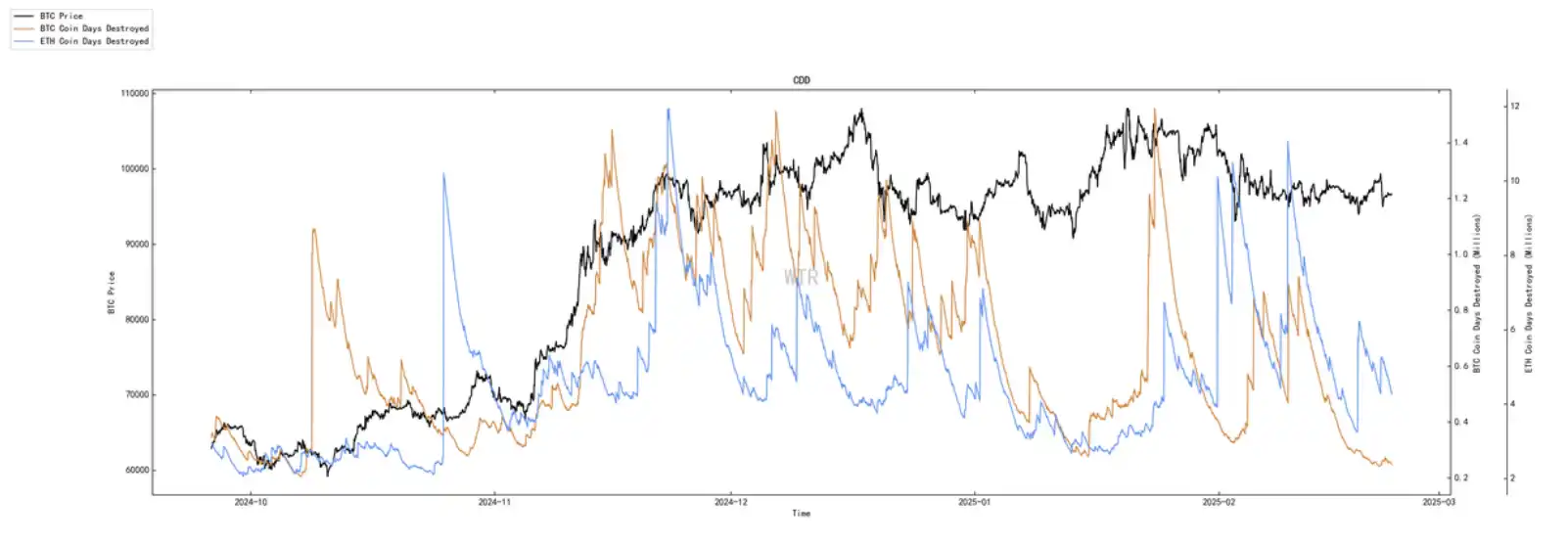
Currently No High Weighted Sell Pressure.

Buy Pressure Rating: Global Buy Pressure in a Drain State, Stablecoin Buy Pressure Unchanged from Last Week.

(See Global Buy Pressure Status Below)
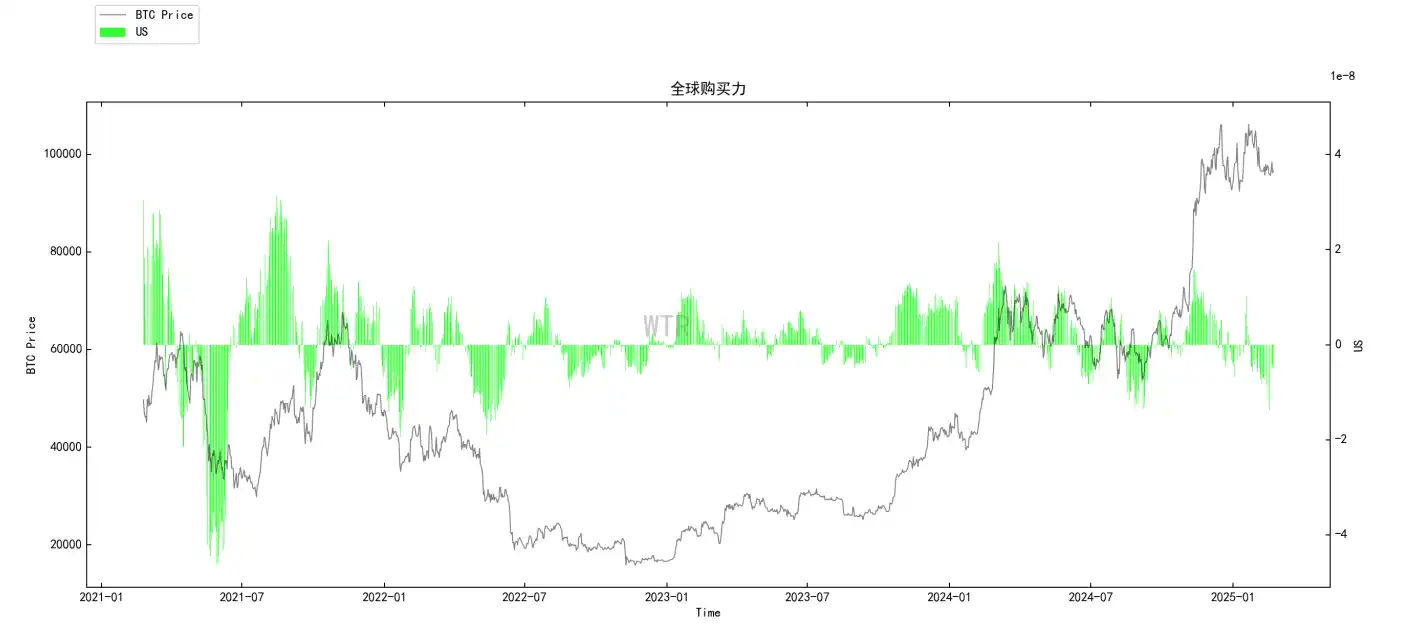
Current Buy Pressure in a Drain State.

(See USDT Exchange Net Flow Below)
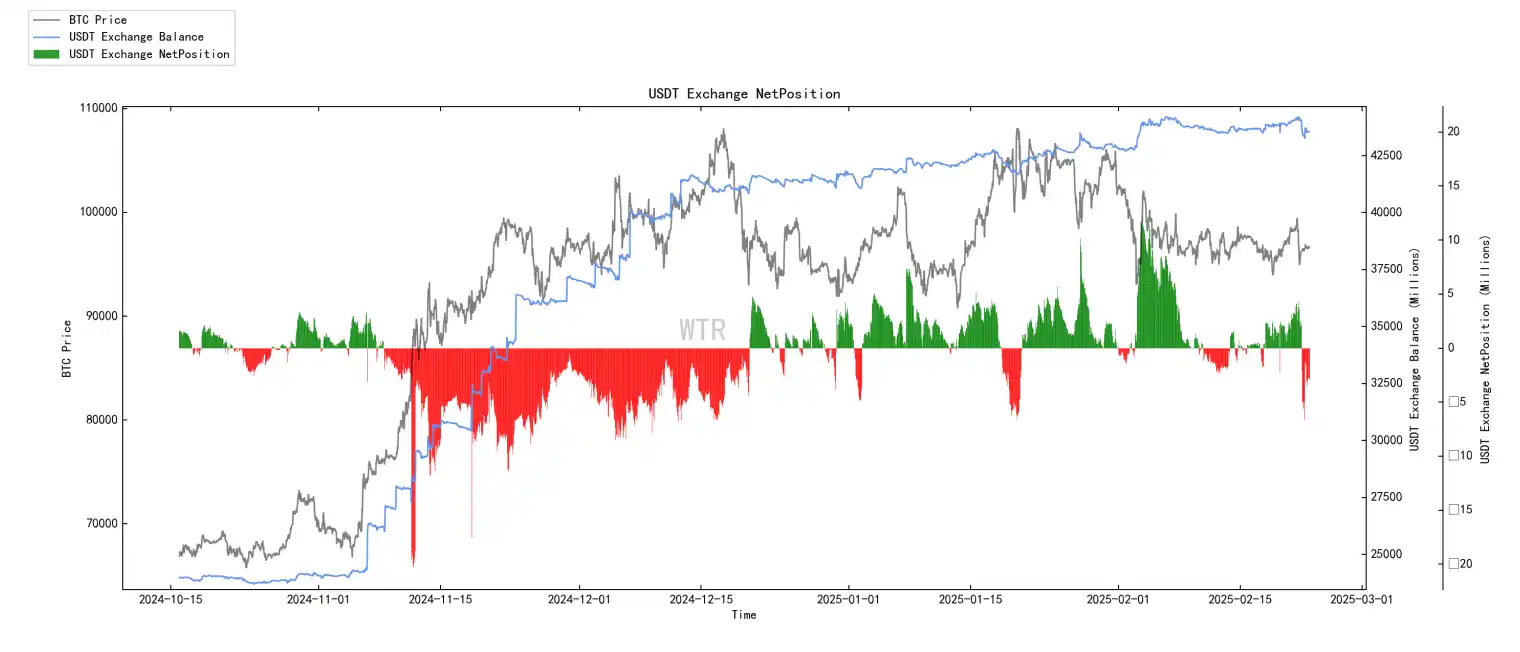
Stablecoin Buy Pressure Unchanged from Last Week.

Off-chain Transaction Data Rating:

Buying Interest at 93000; Selling Interest at 100000.

(See Coinbase Off-chain Data Below)
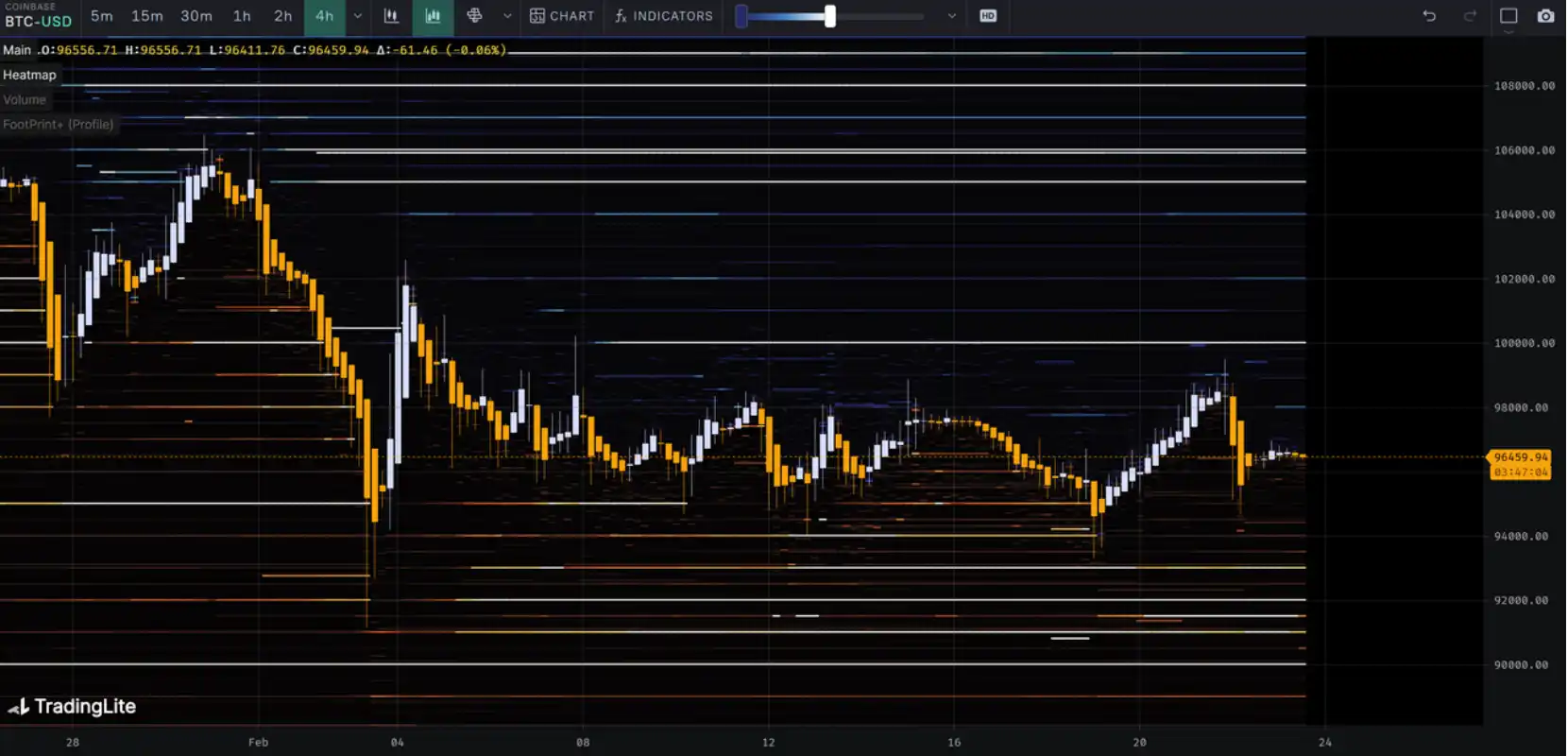
Buying Interest at price levels near 90000-93000; Selling Interest at price levels near 100000-110000.

(See Binance Off-chain Data Below)
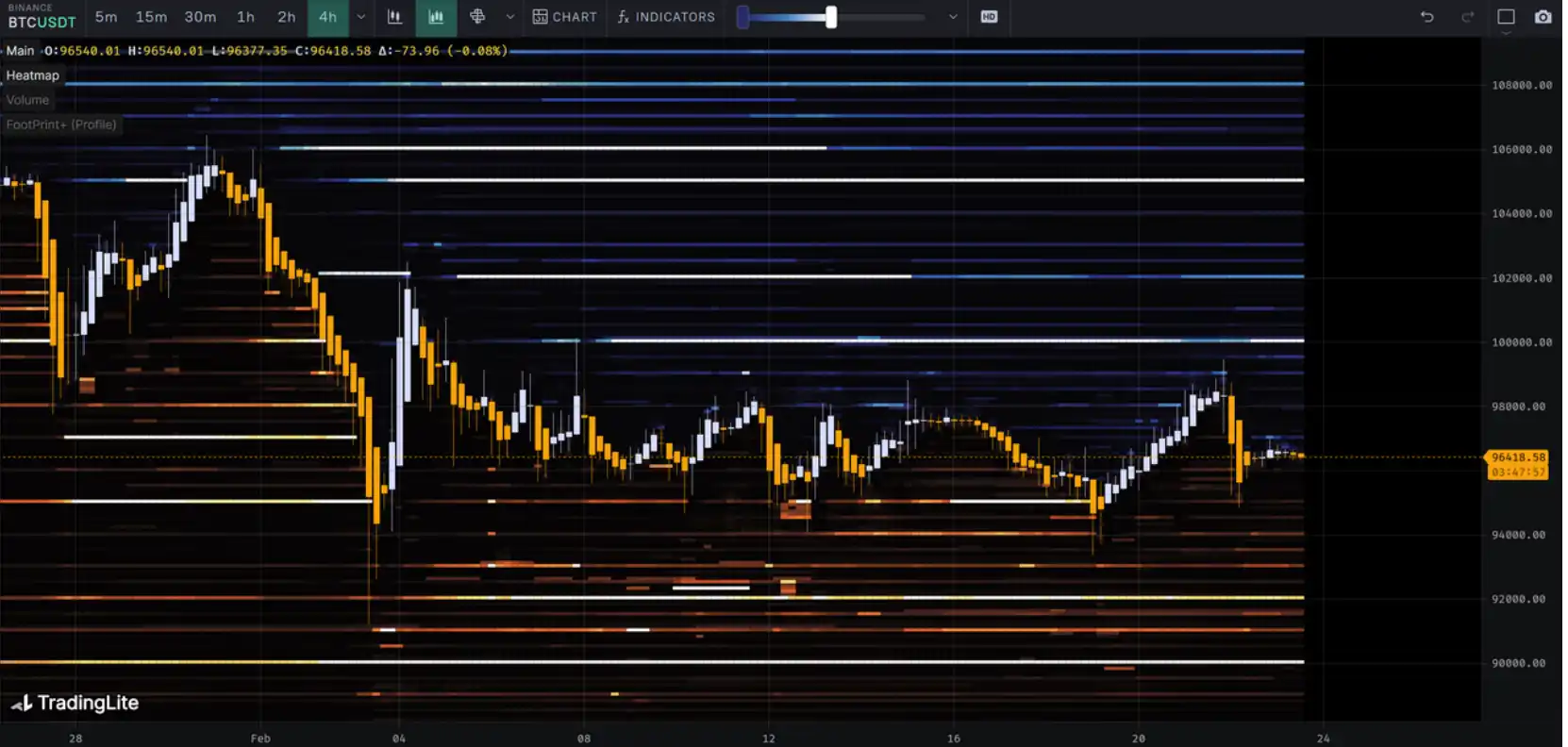
Buying Interest at price levels near 90000-93000; Selling Interest at price levels near 100000-110000.

(See Bitfinex Off-chain Data Below)
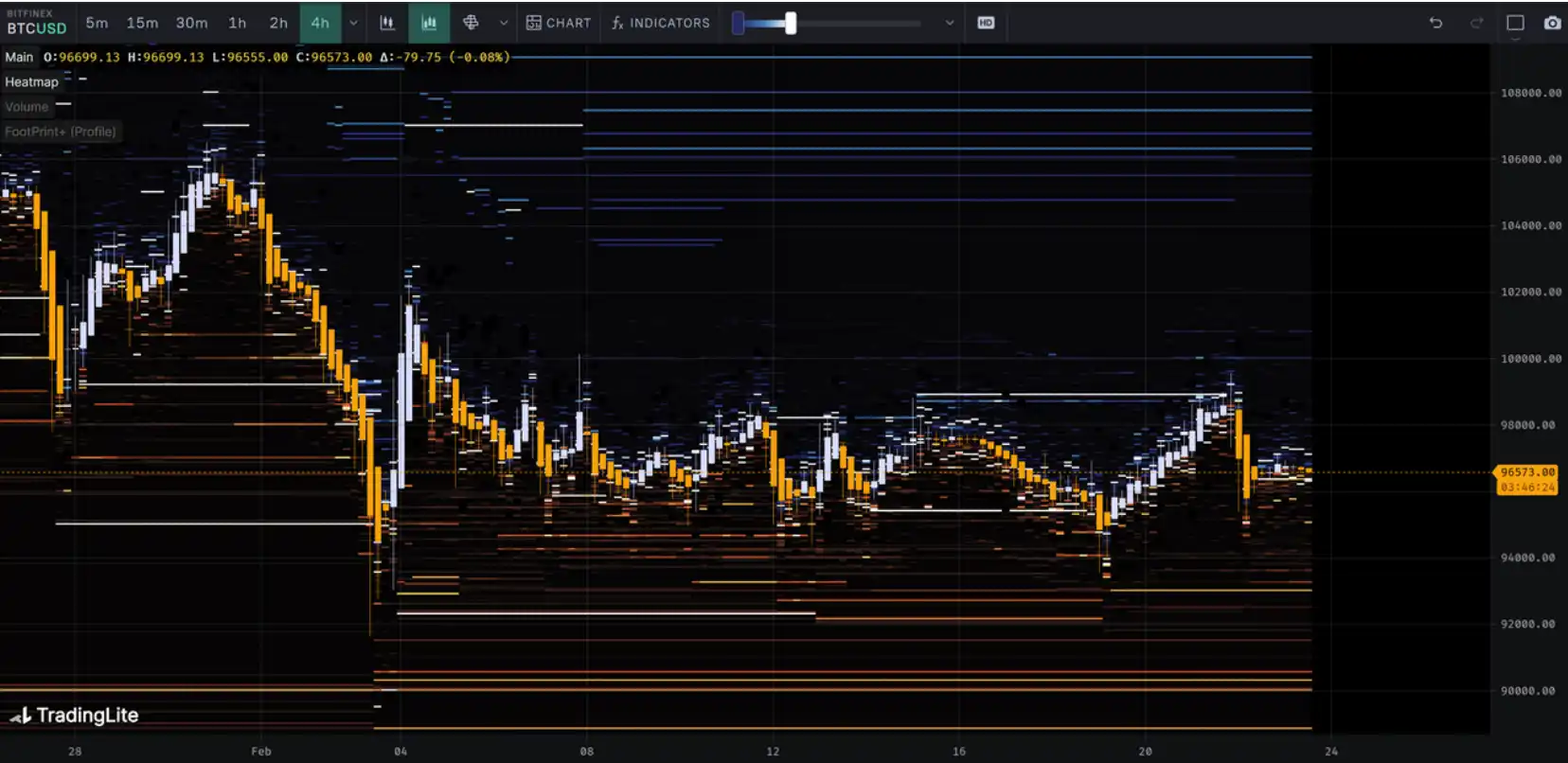
There is buying interest around the 90000-93000 range; there is selling interest around the 100000-110000 range.

Weekly Summary:

News Summary:

1. The recovery momentum was interrupted, but the actual substantial selling pressure did not come from the recent exchange hack, but rather from FTX's compensation event.

2. The first phase of FTX compensation is expected to last until March 4th, with funds totaling around 65-70 billion USD, and the next phase occurring after May 30th.

3. On a macro level, the Fed's intention to cut interest rates seems to be gradually increasing, with two rate cuts possible this year, possibly accompanied by an end to balance sheet reduction.

4. Overall, the future macro fundamentals still appear relatively bullish.

On-Chain Long-Term Insights:

1. The market has broken through the short-term speculators' cost line, leading to potential hodling, further reducing market selling pressure;

2. Spot selling pressure still remains near a one-year low;

3. High-weighted selling pressure is close to a one-year low;

4. Long-term participant ratio has seen a slight rebound.

• Market Tone:

No substantial on-chain transformation has occurred, but there is a sense of subdued emotions and confusion.

On-Chain Medium-Term Examination:

1. BTC is in an accumulation phase;

2. ETH's accumulation trend has slowed down;

3. Liquidity supply is weak;

4. Current on-chain sentiment remains high;

5. Currently in a trend of long liquidation, waiting for stability.

• Market Tone:

Hesitant

With current weak liquidity, BTC remains relatively stable, with the risk bias leaning towards native assets like ETH.

On-Chain Short-Term Observation:

1. Risk factor is in the red zone, derivative risk is high.

2. New active addresses are in a low to mid-range.

3. Market sentiment rating: Neutral.

4. Exchange net flows overall show BTC and ETH in a state of significant outflows.

5. Global buying power is in a weakened state, while stablecoin buying power remains flat compared to last week.

6. Off-chain transaction data shows buying interest at 93000; selling interest at 100000.

7. The probability of not breaking below 87000-91000 in the short term is 60%; with a 40% probability of not breaking above 110000-115000 in the short term.

• Market Outlook:

Currently, there is very little on-chain new accumulation at the current price level, and the short-term holder's cost line is also stagnant near 92K, indicating that although there is no panic sentiment in the current market, short-term market demand/positive sentiment has entered an extremely low state. Expectations for this week continue to be volatile.

This article is contributed content and does not represent the views of BlockBeats.

You may also like

Token Cannot Compound, Where Is the Real Investment Opportunity?

The next chapter in the crypto industry will undoubtedly be written by Crypto-empowered Stocks.

February 6th Market Key Intelligence, How Much Did You Miss?

1. On-chain Flows: $508.2M USD inflow to Ethereum today; $390.8M USD outflow from Arbitrum 2. Biggest Gainers/Losers: $HBTC, $AIO 3. Top News: Current Bitcoin weekly RSI oversold signal comparable to June 2022

China's Central Bank and Eight Other Departments' Latest Regulatory Focus: Key Attention to RWA Tokenized Asset Risk


Foreword: Today, the People's Bank of China's website published the "Notice of the People's Bank of China, National Development and Reform Commission, Ministry of Industry and Information Technology, Ministry of Public Security, State Administration for Market Regulation, China Banking and Insurance Regulatory Commission, China Securities Regulatory Commission, State Administration of Foreign Exchange on Further Preventing and Dealing with Risks Related to Virtual Currency and Others (Yinfa [2026] No. 42)", the latest regulatory requirements from the eight departments including the central bank, which are basically consistent with the regulatory requirements of recent years. The main focus of the regulation is on speculative activities such as virtual currency trading, exchanges, ICOs, overseas platform services, and this time, regulatory oversight of RWA has been added, explicitly prohibiting RWA tokenization, stablecoins (especially those pegged to the RMB). The following is the full text:


To the people's governments of all provinces, autonomous regions, and municipalities directly under the Central Government, the Xinjiang Production and Construction Corps:


  Recently, there have been speculative activities related to virtual currency and Real-World Assets (RWA) tokenization, disrupting the economic and financial order and jeopardizing the property security of the people. In order to further prevent and address the risks related to virtual currency and Real-World Assets tokenization, effectively safeguard national security and social stability, in accordance with the "Law of the People's Republic of China on the People's Bank of China," "Law of the People's Republic of China on Commercial Banks," "Securities Law of the People's Republic of China," "Law of the People's Republic of China on Securities Investment Funds," "Law of the People's Republic of China on Futures and Derivatives," "Cybersecurity Law of the People's Republic of China," "Regulations of the People's Republic of China on the Administration of Renminbi," "Regulations on Prevention and Disposal of Illegal Fundraising," "Regulations of the People's Republic of China on Foreign Exchange Administration," "Telecommunications Regulations of the People's Republic of China," and other provisions, after reaching consensus with the Cyberspace Administration of China, the Supreme People's Court, and the Supreme People's Procuratorate, and with the approval of the State Council, the relevant matters are notified as follows:


  I. Clarify the essential attributes of virtual currency, Real-World Assets tokenization, and related business activities


  (I) Virtual currency does not possess the legal status equivalent to fiat currency. Virtual currencies such as Bitcoin, Ether, Tether, etc., have the main characteristics of being issued by non-monetary authorities, using encryption technology and distributed ledger or similar technology, existing in digital form, etc. They do not have legal tender status, should not and cannot be circulated and used as currency in the market.


  The business activities related to virtual currency are classified as illegal financial activities. The exchange of fiat currency and virtual currency within the territory, exchange of virtual currencies, acting as a central counterparty in buying and selling virtual currencies, providing information intermediary and pricing services for virtual currency transactions, token issuance financing, and trading of virtual currency-related financial products, etc., fall under illegal financial activities, such as suspected illegal issuance of token vouchers, unauthorized public issuance of securities, illegal operation of securities and futures business, illegal fundraising, etc., are strictly prohibited across the board and resolutely banned in accordance with the law. Overseas entities and individuals are not allowed to provide virtual currency-related services to domestic entities in any form.


  A stablecoin pegged to a fiat currency indirectly fulfills some functions of the fiat currency in circulation. Without the consent of relevant authorities in accordance with the law and regulations, any domestic or foreign entity or individual is not allowed to issue a RMB-pegged stablecoin overseas.


(II)Tokenization of Real-World Assets refers to the use of encryption technology and distributed ledger or similar technologies to transform ownership rights, income rights, etc., of assets into tokens (tokens) or other interests or bond certificates with token (token) characteristics, and carry out issuance and trading activities.


  Engaging in the tokenization of real-world assets domestically, as well as providing related intermediary, information technology services, etc., which are suspected of illegal issuance of token vouchers, unauthorized public offering of securities, illegal operation of securities and futures business, illegal fundraising, and other illegal financial activities, shall be prohibited; except for relevant business activities carried out with the approval of the competent authorities in accordance with the law and regulations and relying on specific financial infrastructures. Overseas entities and individuals are not allowed to illegally provide services related to the tokenization of real-world assets to domestic entities in any form.


  II. Sound Work Mechanism


  (III) Inter-agency Coordination. The People's Bank of China, together with the National Development and Reform Commission, the Ministry of Industry and Information Technology, the Ministry of Public Security, the State Administration for Market Regulation, the China Banking and Insurance Regulatory Commission, the China Securities Regulatory Commission, the State Administration of Foreign Exchange, and other departments, will improve the work mechanism, strengthen coordination with the Cyberspace Administration of China, the Supreme People's Court, and the Supreme People's Procuratorate, coordinate efforts, and overall guide regions to carry out risk prevention and disposal of virtual currency-related illegal financial activities.


  The China Securities Regulatory Commission, together with the National Development and Reform Commission, the Ministry of Industry and Information Technology, the Ministry of Public Security, the People's Bank of China, the State Administration for Market Regulation, the China Banking and Insurance Regulatory Commission, the State Administration of Foreign Exchange, and other departments, will improve the work mechanism, strengthen coordination with the Cyberspace Administration of China, the Supreme People's Court, and the Supreme People's Procuratorate, coordinate efforts, and overall guide regions to carry out risk prevention and disposal of illegal financial activities related to the tokenization of real-world assets.


  (IV) Strengthening Local Implementation. The people's governments at the provincial level are overall responsible for the prevention and disposal of risks related to virtual currencies and the tokenization of real-world assets in their respective administrative regions. The specific leading department is the local financial regulatory department, with participation from branches and dispatched institutions of the State Council's financial regulatory department, telecommunications regulators, public security, market supervision, and other departments, in coordination with cyberspace departments, courts, and procuratorates, to improve the normalization of the work mechanism, effectively connect with the relevant work mechanisms of central departments, form a cooperative and coordinated working pattern between central and local governments, effectively prevent and properly handle risks related to virtual currencies and the tokenization of real-world assets, and maintain economic and financial order and social stability.


  III. Strengthened Risk Monitoring, Prevention, and Disposal


  (5) Enhanced Risk Monitoring. The People's Bank of China, China Securities Regulatory Commission, National Development and Reform Commission, Ministry of Industry and Information Technology, Ministry of Public Security, State Administration of Foreign Exchange, Cyberspace Administration of China, and other departments continue to improve monitoring techniques and system support, enhance cross-departmental data analysis and sharing, establish sound information sharing and cross-validation mechanisms, promptly grasp the risk situation of activities related to virtual currency and real-world asset tokenization. Local governments at all levels give full play to the role of local monitoring and early warning mechanisms. Local financial regulatory authorities, together with branches and agencies of the State Council's financial regulatory authorities, as well as departments of cyberspace and public security, ensure effective connection between online monitoring, offline investigation, and fund tracking, efficiently and accurately identify activities related to virtual currency and real-world asset tokenization, promptly share risk information, improve early warning information dissemination, verification, and rapid response mechanisms.


  (6) Strengthened Oversight of Financial Institutions, Intermediaries, and Technology Service Providers. Financial institutions (including non-bank payment institutions) are prohibited from providing account opening, fund transfer, and clearing services for virtual currency-related business activities, issuing and selling financial products related to virtual currency, including virtual currency and related financial products in the scope of collateral, conducting insurance business related to virtual currency, or including virtual currency in the scope of insurance liability. Financial institutions (including non-bank payment institutions) are prohibited from providing custody, clearing, and settlement services for unauthorized real-world asset tokenization-related business and related financial products. Relevant intermediary institutions and information technology service providers are prohibited from providing intermediary, technical, or other services for unauthorized real-world asset tokenization-related businesses and related financial products.


  (7) Enhanced Management of Internet Information Content and Access. Internet enterprises are prohibited from providing online business venues, commercial displays, marketing, advertising, or paid traffic diversion services for virtual currency and real-world asset tokenization-related business activities. Upon discovering clues of illegal activities, they should promptly report to relevant departments and provide technical support and assistance for related investigations and inquiries. Based on the clues transferred by the financial regulatory authorities, the cyberspace administration, telecommunications authorities, and public security departments should promptly close and deal with websites, mobile applications (including mini-programs), and public accounts engaged in virtual currency and real-world asset tokenization-related business activities in accordance with the law.


  (8) Strengthened Entity Registration and Advertisement Management. Market supervision departments strengthen entity registration and management, and enterprise and individual business registrations must not contain terms such as "virtual currency," "virtual asset," "cryptocurrency," "crypto asset," "stablecoin," "real-world asset tokenization," or "RWA" in their names or business scopes. Market supervision departments, together with financial regulatory authorities, legally enhance the supervision of advertisements related to virtual currency and real-world asset tokenization, promptly investigating and handling relevant illegal advertisements.


  (IX) Continued Rectification of Virtual Currency Mining Activities. The National Development and Reform Commission, together with relevant departments, strictly controls virtual currency mining activities, continuously promotes the rectification of virtual currency mining activities. The people's governments of various provinces take overall responsibility for the rectification of "mining" within their respective administrative regions. In accordance with the requirements of the National Development and Reform Commission and other departments in the "Notice on the Rectification of Virtual Currency Mining Activities" (NDRC Energy-saving Building [2021] No. 1283) and the provisions of the "Guidance Catalog for Industrial Structure Adjustment (2024 Edition)," a comprehensive review, investigation, and closure of existing virtual currency mining projects are conducted, new mining projects are strictly prohibited, and mining machine production enterprises are strictly prohibited from providing mining machine sales and other services within the country.


  (X) Severe Crackdown on Related Illegal Financial Activities. Upon discovering clues to illegal financial activities related to virtual currency and the tokenization of real-world assets, local financial regulatory authorities, branches of the State Council's financial regulatory authorities, and other relevant departments promptly investigate, determine, and properly handle the issues in accordance with the law, and seriously hold the relevant entities and individuals legally responsible. Those suspected of crimes are transferred to the judicial authorities for processing according to the law.


 (XI) Severe Crackdown on Related Illegal and Criminal Activities. The Ministry of Public Security, the People's Bank of China, the State Administration for Market Regulation, the China Banking and Insurance Regulatory Commission, the China Securities Regulatory Commission, as well as judicial and procuratorial organs, in accordance with their respective responsibilities, rigorously crack down on illegal and criminal activities related to virtual currency, the tokenization of real-world assets, such as fraud, money laundering, illegal business operations, pyramid schemes, illegal fundraising, and other illegal and criminal activities carried out under the guise of virtual currency, the tokenization of real-world assets, etc.


  (XII) Strengthen Industry Self-discipline. Relevant industry associations should enhance membership management and policy advocacy, based on their own responsibilities, advocate and urge member units to resist illegal financial activities related to virtual currency and the tokenization of real-world assets. Member units that violate regulatory policies and industry self-discipline rules are to be disciplined in accordance with relevant self-regulatory management regulations. By leveraging various industry infrastructure, conduct risk monitoring related to virtual currency, the tokenization of real-world assets, and promptly transfer issue clues to relevant departments.


  IV. Strict Supervision of Domestic Entities Engaging in Overseas Business Activities


(XIII) Without the approval of relevant departments in accordance with the law and regulations, domestic entities and foreign entities controlled by them may not issue virtual currency overseas.


  (XIV) Domestic entities engaging directly or indirectly in overseas external debt-based tokenization of real-world assets, or conducting asset securitization activities abroad based on domestic ownership rights, income rights, etc. (hereinafter referred to as domestic equity), should be strictly regulated in accordance with the principles of "same business, same risk, same rules." The National Development and Reform Commission, the China Securities Regulatory Commission, the State Administration of Foreign Exchange, and other relevant departments regulate it according to their respective responsibilities. For other forms of overseas real-world asset tokenization activities based on domestic equity by domestic entities, the China Securities Regulatory Commission, together with relevant departments, supervise according to their division of responsibilities. Without the consent and filing of relevant departments, no unit or individual may engage in the above-mentioned business.


  (15) Overseas subsidiaries and branches of domestic financial institutions providing Real World Asset Tokenization-related services overseas shall do so legally and prudently. They shall have professional personnel and systems in place to effectively mitigate business risks, strictly implement customer onboarding, suitability management, anti-money laundering requirements, and incorporate them into the domestic financial institutions' compliance and risk management system. Intermediaries and information technology service providers offering Real World Asset Tokenization services abroad based on domestic equity or conducting Real World Asset Tokenization business in the form of overseas debt for domestic entities directly or indirectly venturing abroad must strictly comply with relevant laws and regulations. They should establish and improve relevant compliance and internal control systems in accordance with relevant normative requirements, strengthen business and risk control, and report the business developments to the relevant regulatory authorities for approval or filing.


  V. Strengthen Organizational Implementation


  (16) Strengthen organizational leadership and overall coordination. All departments and regions should attach great importance to the prevention of risks related to virtual currencies and Real World Asset Tokenization, strengthen organizational leadership, clarify work responsibilities, form a long-term effective working mechanism with centralized coordination, local implementation, and shared responsibilities, maintain high pressure, dynamically monitor risks, effectively prevent and mitigate risks in an orderly and efficient manner, legally protect the property security of the people, and make every effort to maintain economic and financial order and social stability.


  (17) Widely carry out publicity and education. All departments, regions, and industry associations should make full use of various media and other communication channels to disseminate information through legal and policy interpretation, analysis of typical cases, and education on investment risks, etc. They should promote the illegality and harm of virtual currencies and Real World Asset Tokenization-related businesses and their manifestations, fully alert to potential risks and hidden dangers, and enhance public awareness and identification capabilities for risk prevention.


  VI. Legal Responsibility


  (18) Engaging in illegal financial activities related to virtual currencies and Real World Asset Tokenization in violation of this notice, as well as providing services for virtual currencies and Real World Asset Tokenization-related businesses, shall be punished in accordance with relevant regulations. If it constitutes a crime, criminal liability shall be pursued according to the law. For domestic entities and individuals who knowingly or should have known that overseas entities illegally provided virtual currency or Real World Asset Tokenization-related services to domestic entities and still assisted them, relevant responsibilities shall be pursued according to the law. If it constitutes a crime, criminal liability shall be pursued according to the law.


  (19) If any unit or individual invests in virtual currencies, Real World Asset Tokens, and related financial products against public order and good customs, the relevant civil legal actions shall be invalid, and any resulting losses shall be borne by them. If there are suspicions of disrupting financial order and jeopardizing financial security, the relevant departments shall deal with them according to the law.


  This notice shall enter into force upon the date of its issuance. The People's Bank of China and ten other departments' "Notice on Further Preventing and Dealing with the Risks of Virtual Currency Trading Speculation" (Yinfa [2021] No. 237) is hereby repealed.


Former Partner's Perspective on Multicoin: Kyle's Exit, But the Game He Left Behind Just Getting Started

Kyle knew his game, so he decided to focus on playing the game he was good at and interested in.

Why Bitcoin Is Falling Now: The Real Reasons Behind BTC's Crash & WEEX's Smart Profit Playbook

Bitcoin's ongoing crash explained: Discover the 5 hidden triggers behind BTC's plunge & how WEEX's Auto Earn and Trade to Earn strategies help traders profit from crypto market volatility.

Wall Street's Hottest Trades See Exodus

This time there is no single triggering factor, but rather market anxiety about asset valuation, with many already skeptical of these valuations being too high, leading to investors choosing to retreat almost simultaneously.

Popular coins

Latest Crypto News

Read more